Getting involved yourself

Influencer for the Ocean

BECOME THE VOICE OF THE OCEANS

The ocean is the cradle of life on our planet. It is still home to an extremely diverse range of life: 34 of the 36 existing phyla, 14 of which have remained exclusively marine, 300,000 known species and even more unknown species.

The particularities of marine organisms make them an unexplored reserve of therapeutic avenues for the future.

Examples of molecules extracted from living organisms abound, used as anticancer, antimicrobial, antiviral, anti-inflammatory, antidiabetic, antihypertensive, anticoagulant and antioxidant agents. Of the 145,000 to 150,000 natural substances described, it is estimated that some 25,000 products of pharmacological or cosmetic interest have already been obtained from marine organisms, more than 30% of which are produced by sponges. This number has increased over the last few decades, suggesting that many new remedies will be available in the near future.

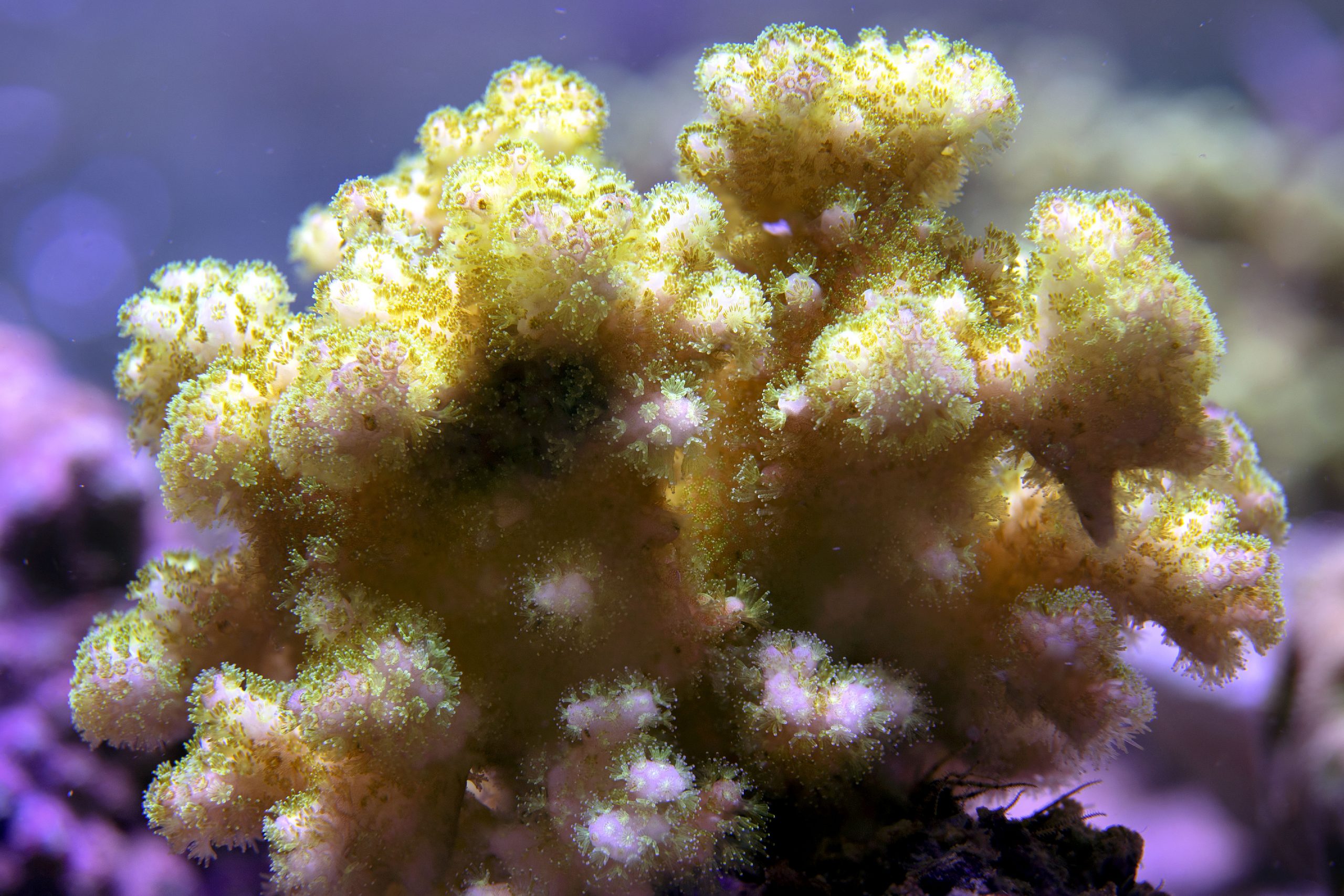
Corail-Pocillopora-edouxi
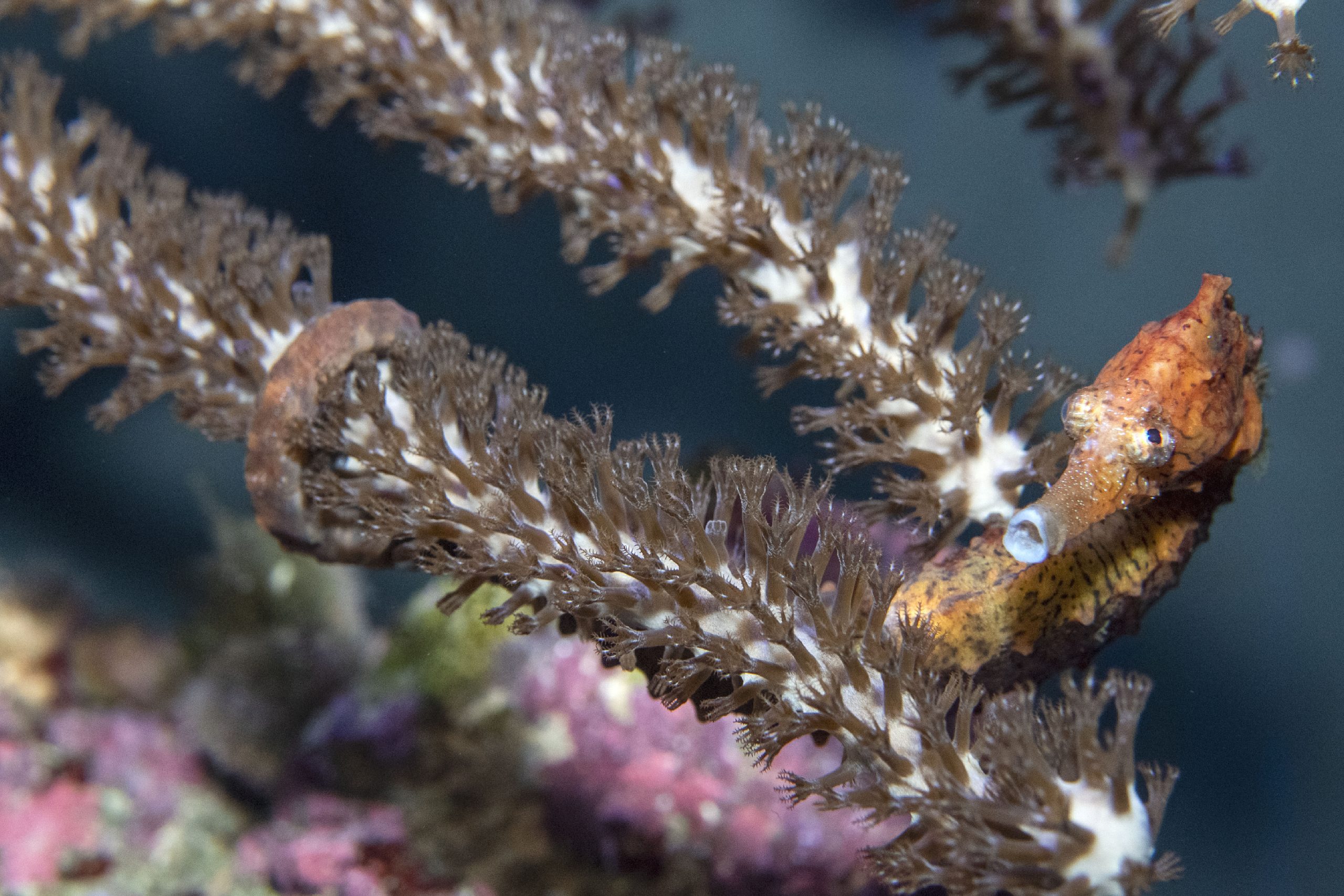
Un hippocampe sur une gorgone de la famille des Plexauridae.

FIND OUT MORE

The conditions to which marine animals are exposed (yes, in terms of biomass, the ocean is more the domain of animals, whereas the terrestrial environment is more the domain of plants) are as diverse as they are original. In the abysses plunged into eternal night, ecosystems are organized around hydrothermal springs. The energy no longer comes from the sun, but from the chemistry of these very hot waters, loaded with sulfur and minerals. In polar waters, fish and invertebrates can withstand temperatures around 0°C. And all over the world, animals fixed to the bottom have to develop a biological arsenal to defend themselves and preserve their living space, since they cannot escape from predators.

a chemical weapons race

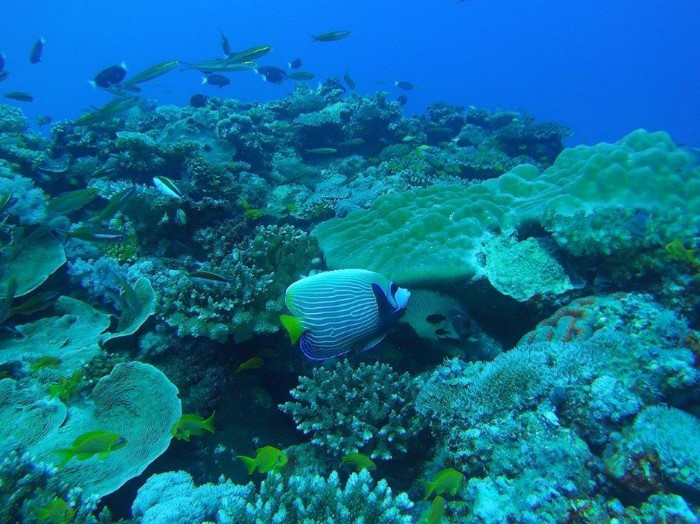
For millions of years, the marine environment and in particular the coral reef has been in a chemical arms race! In a highly competitive environment, organisms produce metabolites and chemical mediators that play a fundamental role in the structuring and functioning of ecosystems, for example in competition for space, colonisation of surfaces, defence against predation, seduction for reproduction, etc. These attractants or repellents are of great interest in various fields of chemistry for the living (human and animal health, cosmetics, phytopharmacy, antifouling paints…).

The first significant work in the chemistry of natural marine substances was that of Professor Werner Bergmann, in 1951, who isolated from a Florida sponge unusual nucleosides (building blocks of nucleic acids, DNA and RNA) that pharmacochemists had the idea of using to design anti-tumour molecules. In 1969, researchers discovered in a Caribbean gorgonian Plexaura homomalla large quantities of a prostaglandin (molecules capable of causing or stimulating uterine contractions) that the pharmaceutical industry was struggling to synthesize. Today, most of the marine-based molecules in clinical development are intended for the treatment of cancers or the fight against viruses.
Récif corallien
Récif corallien

See also

couverture du livre sur les méduses - Institut océanographique

Editions

Mapping Buyle

Explorations de Monaco

1-1-01-catlin seaview

Questions about the Ocean

Getting involved yourself

Influencer for the Ocean

BECOME THE VOICE OF THE OCEANS

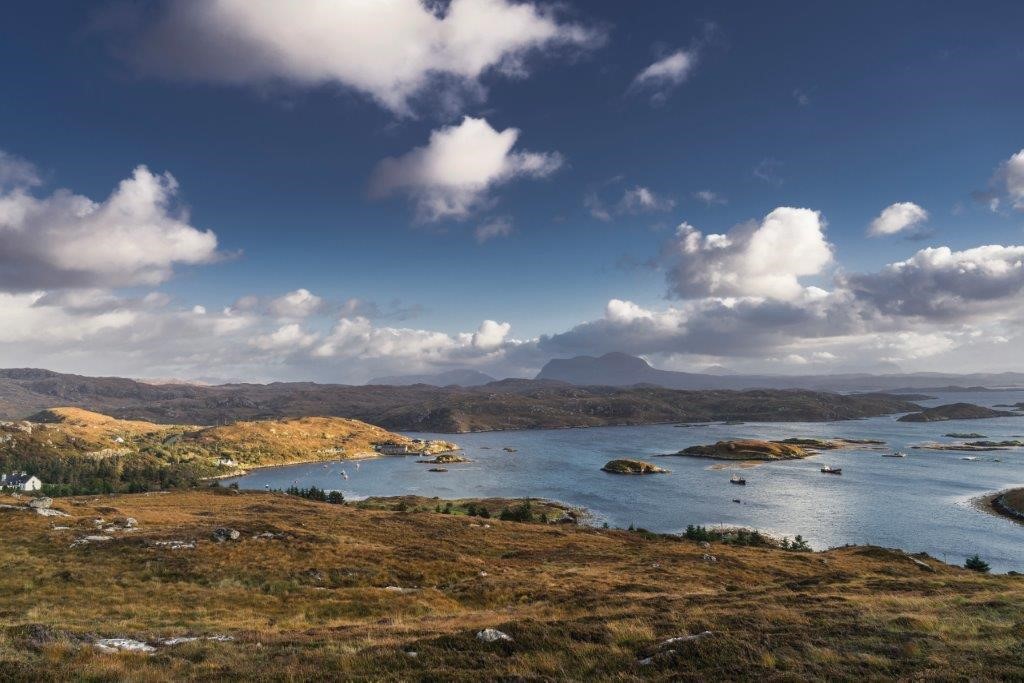
A Marine Protected Area (or MPA) is a delimited area at sea that meets the objectives of nature protection (fauna, flora, ecosystems) and the sustainable development of economic activities such as sustainable fishing and responsible tourism.

Formed into effectively designed and managed networks, MPAs provide refuges for marine flora and fauna, restore important ecological functions (e.g. safeguarding spawning grounds and fish nursery areas) and maintain the production of ecosystem goods and services. These are wise investments for the health of the oceans and the development of the blue economy.

Exemple d'aire marine protégée
Un exemple d'aire marine protégé
Un exemple d'aire marine protégée

Numbers to remember

Number of MPAs in the world
0
Area covered by MPAs worldwide*.
0 km².
Percentage of the ocean covered by MPAs*.
0 %
Percentage of ocean under high protection (no removals)
0 %
Percentage of the high seas that are protected
0 %
Of the ocean should be under high protection in 2020 (objectives of the Convention on Biological Diversity)
0 %
Ocean should be placed under high protection by 2030, experts say
0 %
Of the ocean should be effectively managed by 2030, experts say
0 %

Data as of 27.04.20. Source

See related video

See also

couverture du livre sur les méduses - Institut océanographique

Editions

Mapping Buyle

Explorations de Monaco

1-1-01-catlin seaview

Questions about the Ocean

Getting involved yourself

Influencer for the Ocean

BECOME THE VOICE OF THE OCEANS

MPAs are valuable tools to effectively address major sustainable development challenges and to participate in the implementation of major international agreements, the United Nations 2030 Agenda for Sustainable Development, in particular Goal 14 (Conserve and sustainably use the oceans, seas and marine resources for sustainable development), the Paris Climate Agreement, the Barcelona Convention for a coherent network of MPAs in the Mediterranean, and the Aichi Target 11 of the Convention on Biological Diversity.

They safeguard fragile species and ecosystems, provide economic and cultural resources, protect coastlines and help combat the effects of climate change!

Une Aire marine protégée

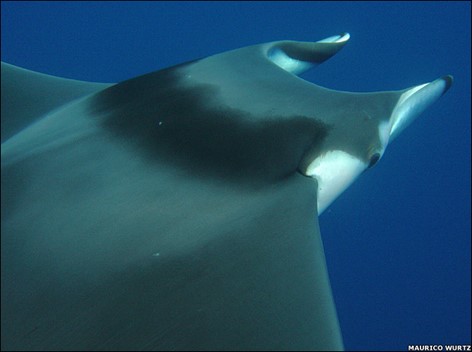
They contribute to the reproduction and survival of species, particularly heritage or threatened species, by preserving critical habitats such as migration routes, refuges against predators, spawning grounds and nursery areas. They contribute effectively to the conservation of large deep-sea animals such as manta rays and species that congregate to breed.

They contribute to the replenishment of living marine resources and strengthen fisheries-related livelihoods, thereby enhancing the food security of coastal communities.

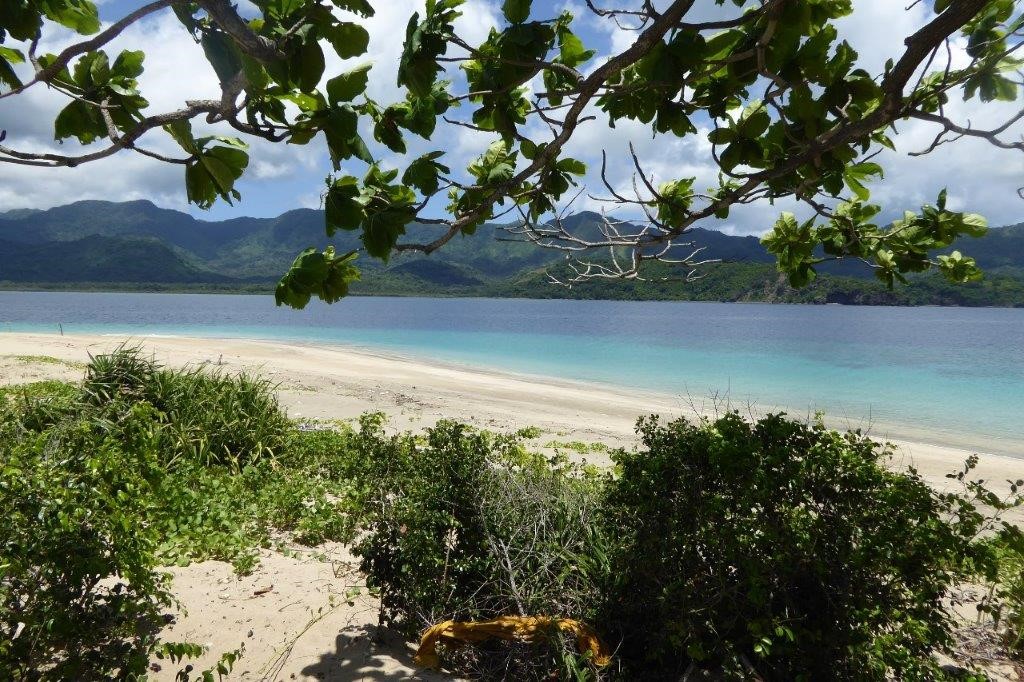
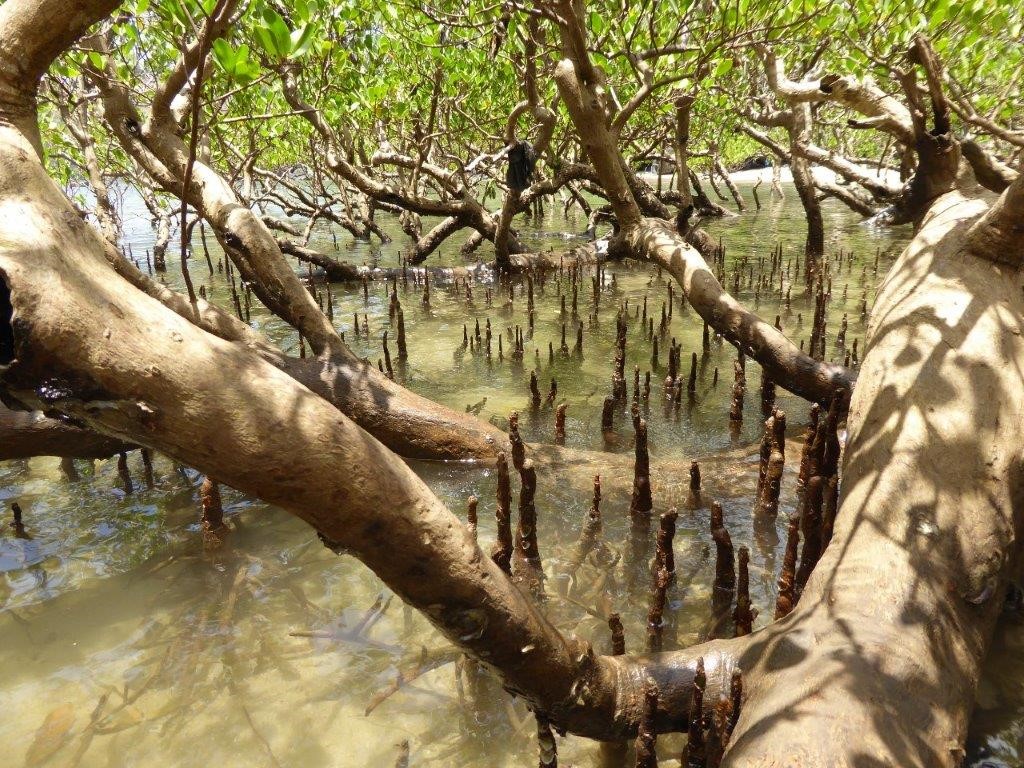
They protect the coastline. By protecting habitats, they provide a bulwark against the impacts of climate change and, to some extent, natural disasters. Mangroves mitigate the effects of tropical storms, while coral reefs prevent coastal erosion.

Raie Manta
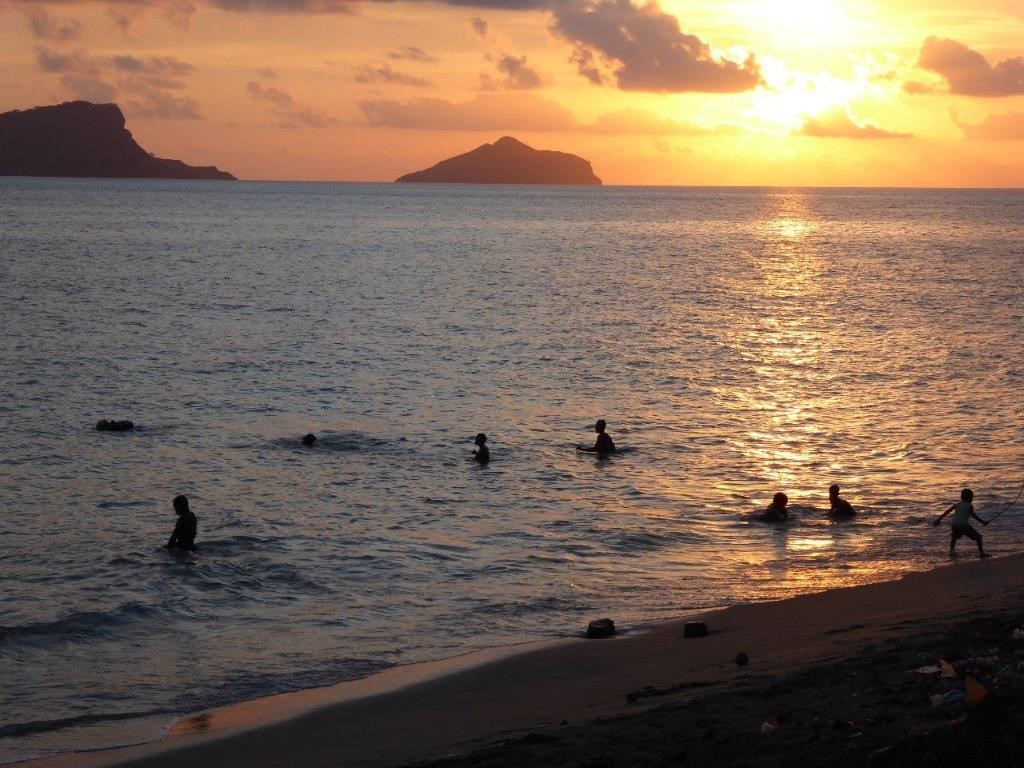
Photo Plage
Photo Plage 2
Mangrove

They participate in carbon storage (also known as sequestration), particularly when they are home to coastal ecosystems with vegetation, seagrass beds, mangroves and salt marshes. If sufficiently developed, MPAs could help combat climate change more effectively, and could provide coastal and island communities with significant economic opportunities in the carbon offset market. A study conducted on the Banc d’Arguin marine protected area in MauritaniaA study by University of Portsmouth researchers in 2018 showed that more than 10% of the country’s total greenhouse gas emissions are sequestered by the park’s marine ecosystems, a significant asset in achieving greenhouse gas (GHG) reductions and meeting the commitment made under the Paris Agreements. MPAs, relatively sheltered from human activities, are very good

observatories for the effects of climate change

.

In addition to strengthening community livelihoods, MPAscreate jobs and value in the tourism and trade sectors. Each year, 2 million visitors come to enjoy the beauty of the Great Barrier Reef in Australia, bringing nearly $6 billion and about 70,000 jobs to the Australian economy.

They have an inestimable cultural value, through the aesthetic, artistic, educational, recreational, scientific and spiritual values associated with them.

See related video

See also

couverture du livre sur les méduses - Institut océanographique

Editions

Mapping Buyle

Explorations de Monaco

1-1-01-catlin seaview

Questions about the Ocean

Getting involved yourself

A valuable source of inspiration

Biomimicry and “bio-inspiration” (some researchers consider that we do not copy nature but are inspired by it) are approaches that consist in studying nature in its innumerable forms (animals, plants, fungi, micro-organisms, ecosystems). They offer the possibility of changing the way we grow or raise organisms, make materials, store information, heal ourselves or produce energy.

Coral reefs, because they are extremely productive communities, rich in biodiversity and the territory of expression of a multitude of chemical mediators, constitute a precious source of inspiration in terms of health, for our contemporary cities in search of effective and sustainable solutions.

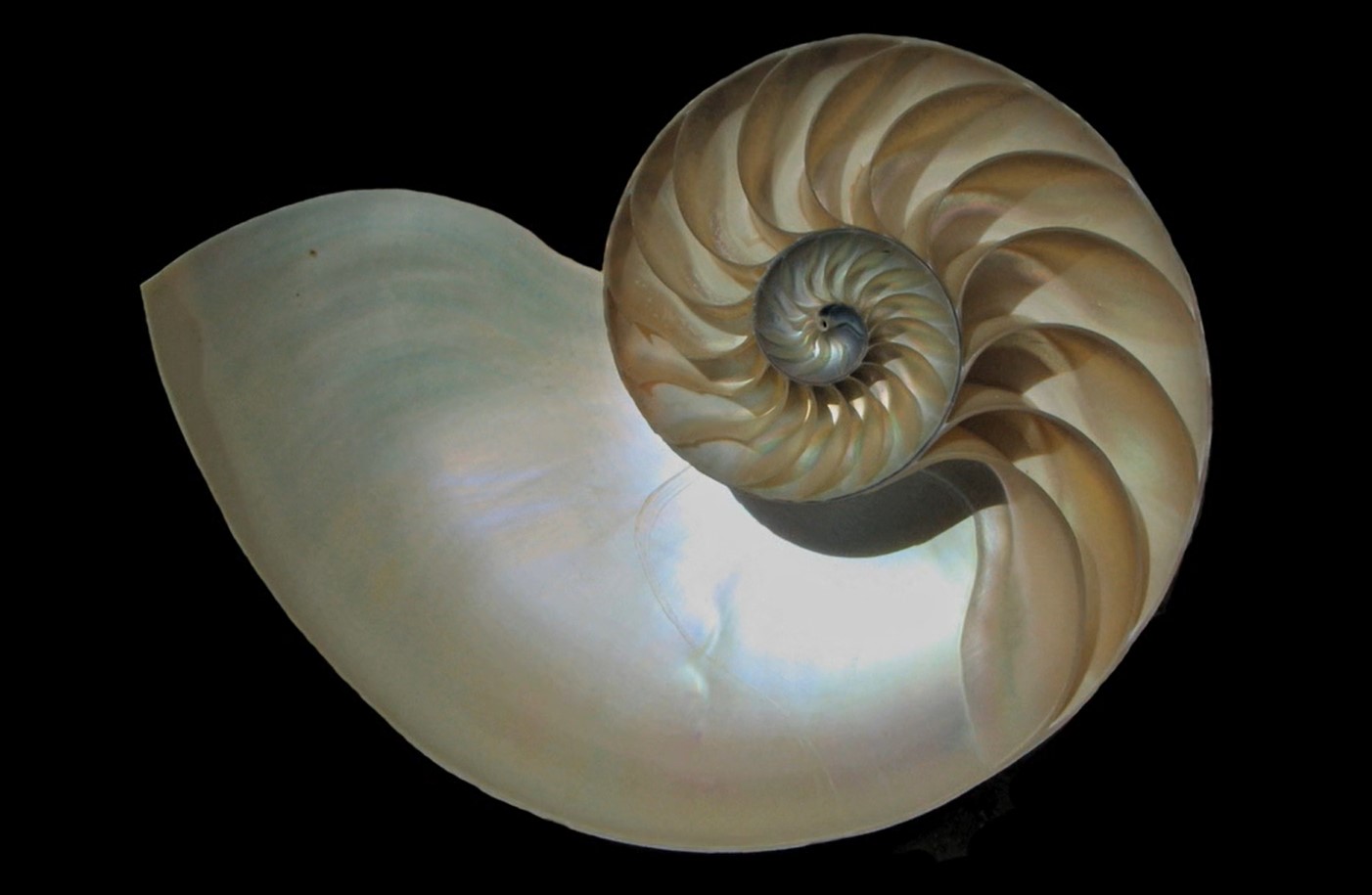
Nautile
Le nautile, source d'inspiration et pas que pour Jules Verne ! (c) Universcience

See also

couverture du livre sur les méduses - Institut océanographique

Editions

Mapping Buyle

Explorations de Monaco

1-1-01-catlin seaview

Questions about the Ocean

Getting involved yourself

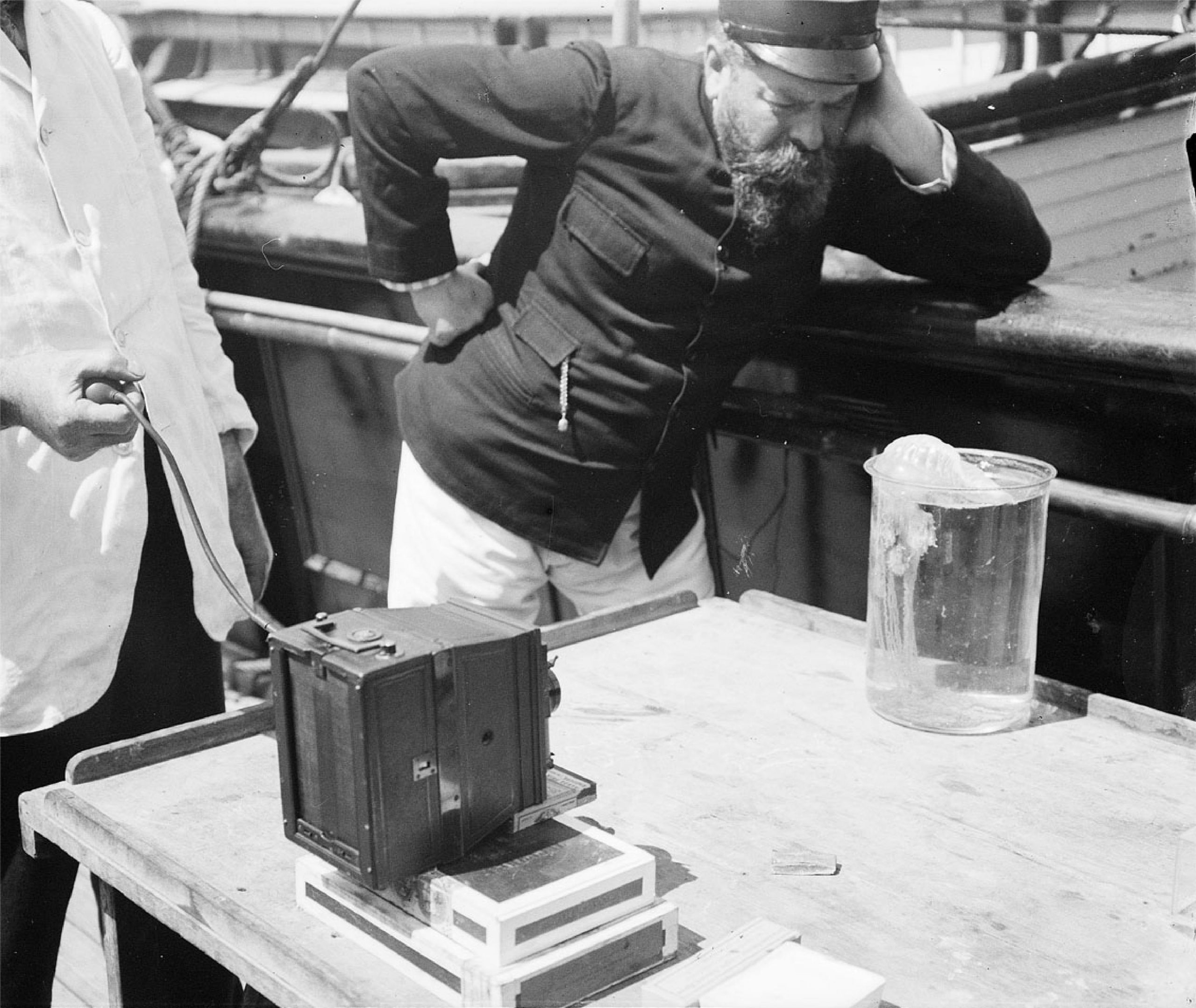
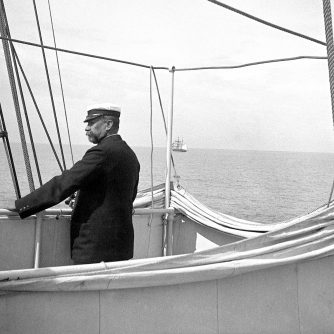
Travaux à bord de la Seconde Princesse Alice

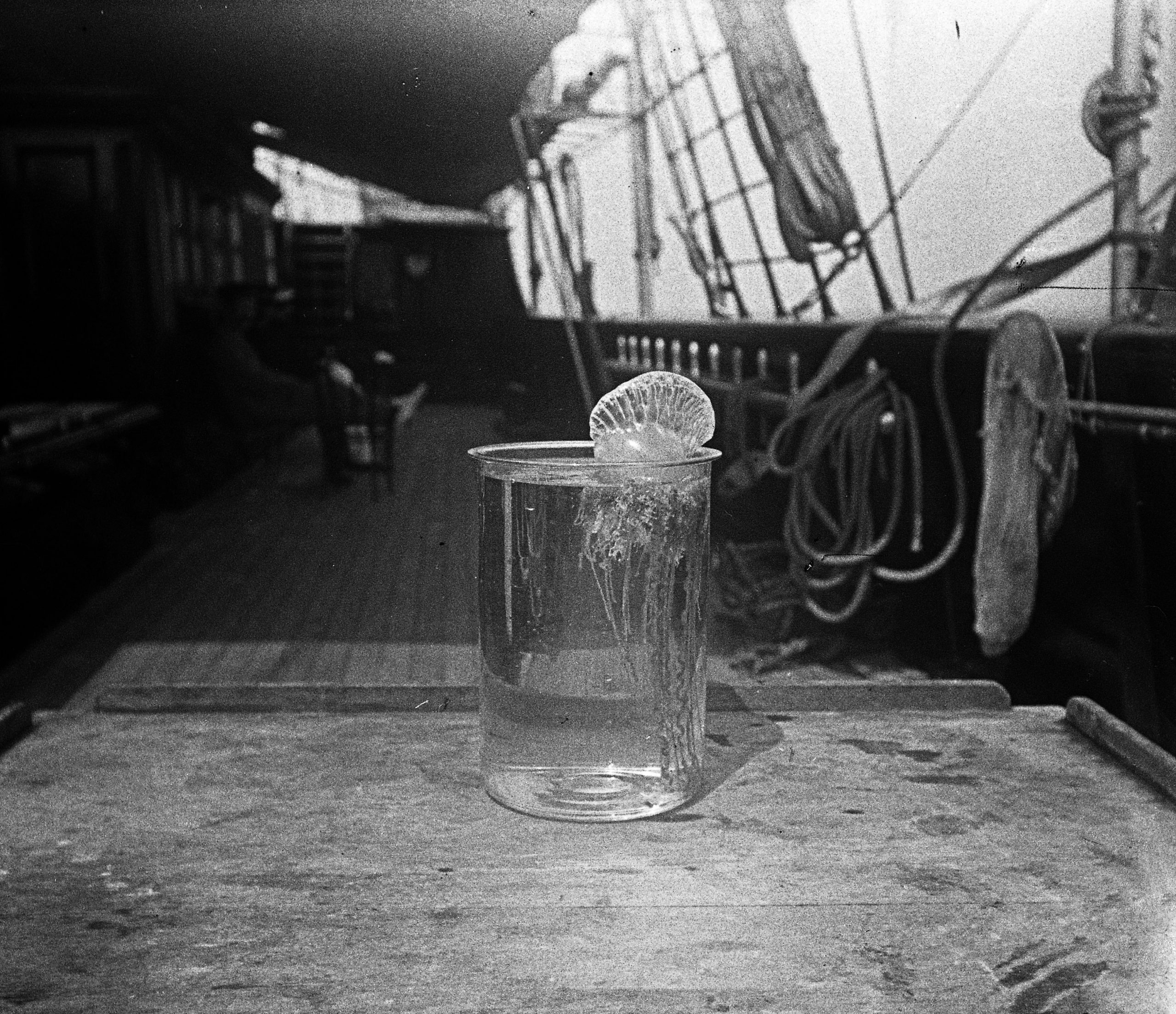
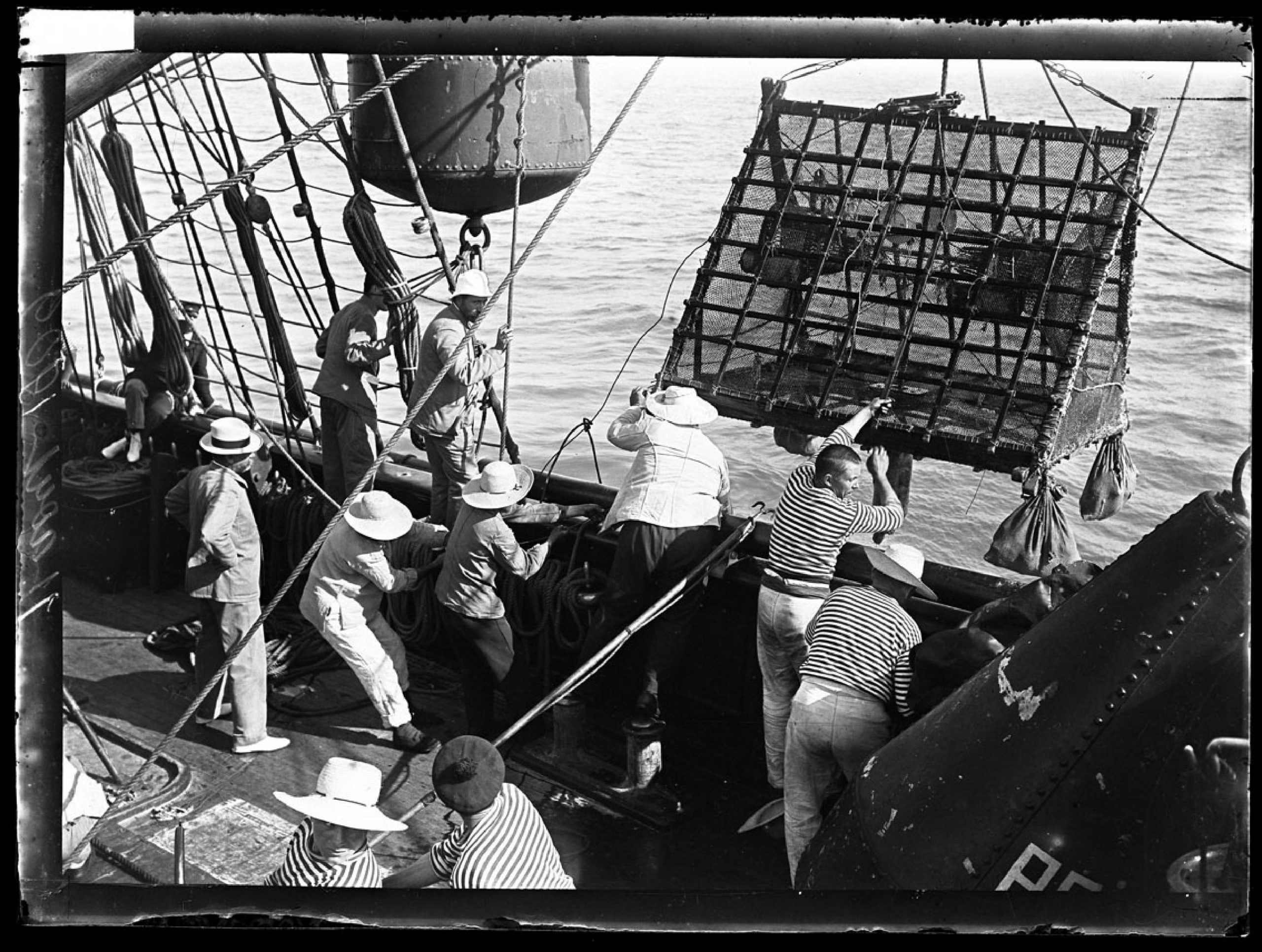
In the summer of 1901, Prince Albert I led his annual Atlantic expedition from the Cape Verde Islands to the Azores. During previous campaigns, with Dr. Jules Richard, his close collaborator, he had had the opportunity to observe that the sailors manifested an extremely sharp pain, which could go as far as syncope, when they came into contact with a kind of jellyfish, a pelagic cnidarian called Physalia physalis. He thought that a venom was probably involved.

Travaux à bord de la Seconde Princesse Alice
le Prince Albert Ier

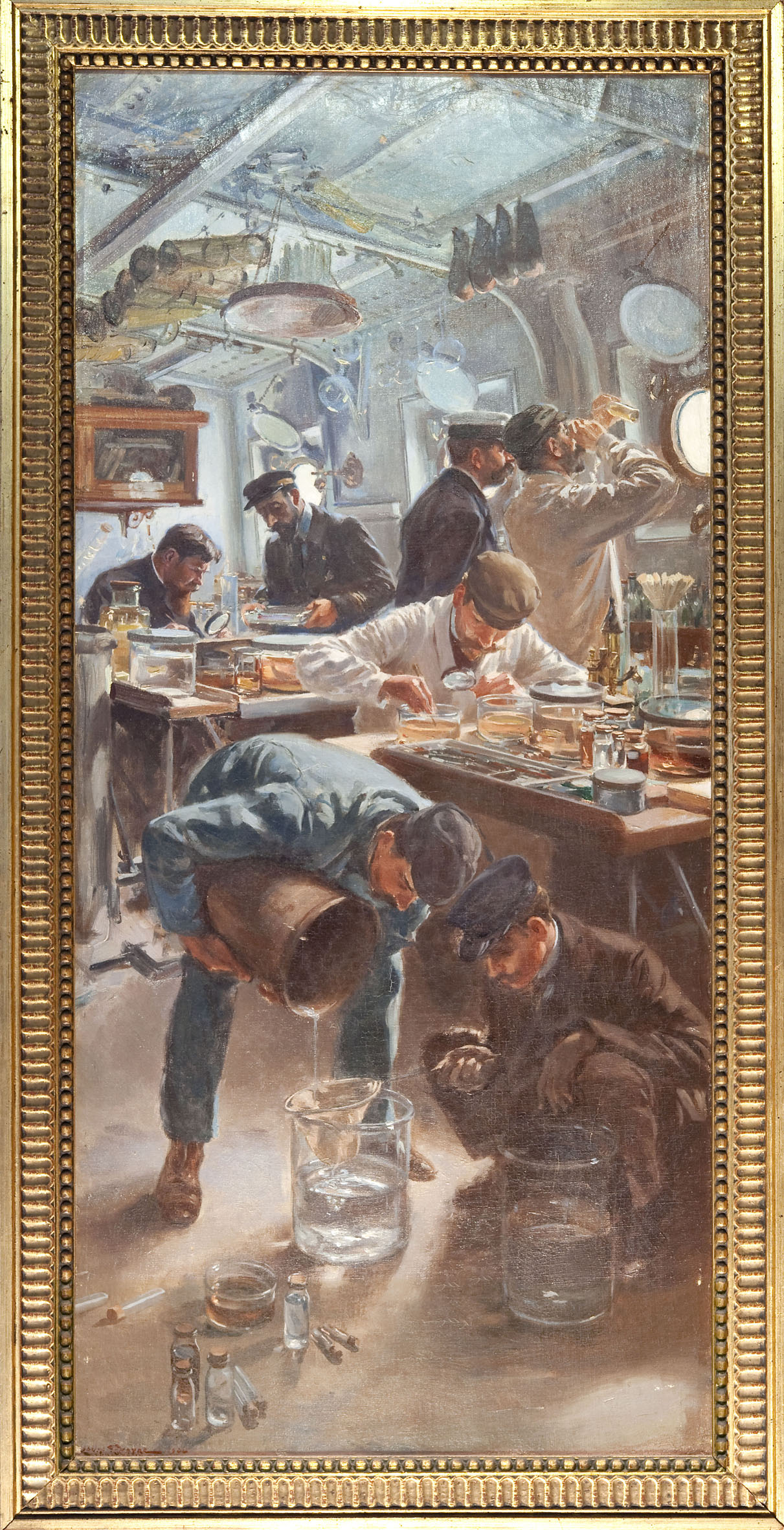
Charles Richet, Professor at the Faculty of Medicine of Paris, and Paul Portier, assistant of physiology at the Sorbonne, were invited to join the expedition in order to isolate this venom and study this phenomenon. The work carried out on board the second Princess-Alice with the physalie, and then on their return to Paris, especially with the anemones Actinia equina and Anemonia cerae, consisted of injecting cnidarian extracts into guinea pigs (dogs and pigeons), with a sufficiently long interval between each injection and using low doses of toxins.

le Prince Albert Ier
02_Tableau-Le-laboratoire_ Louis-Tinayre_1908_ M_Dagnino
Tableau de Louis Tynaire (Travaux à bord Richet et Portier en 1901 - PA II) présenté au premier étage du Musée océanographique dans l’exposition Monaco & l'Océan.

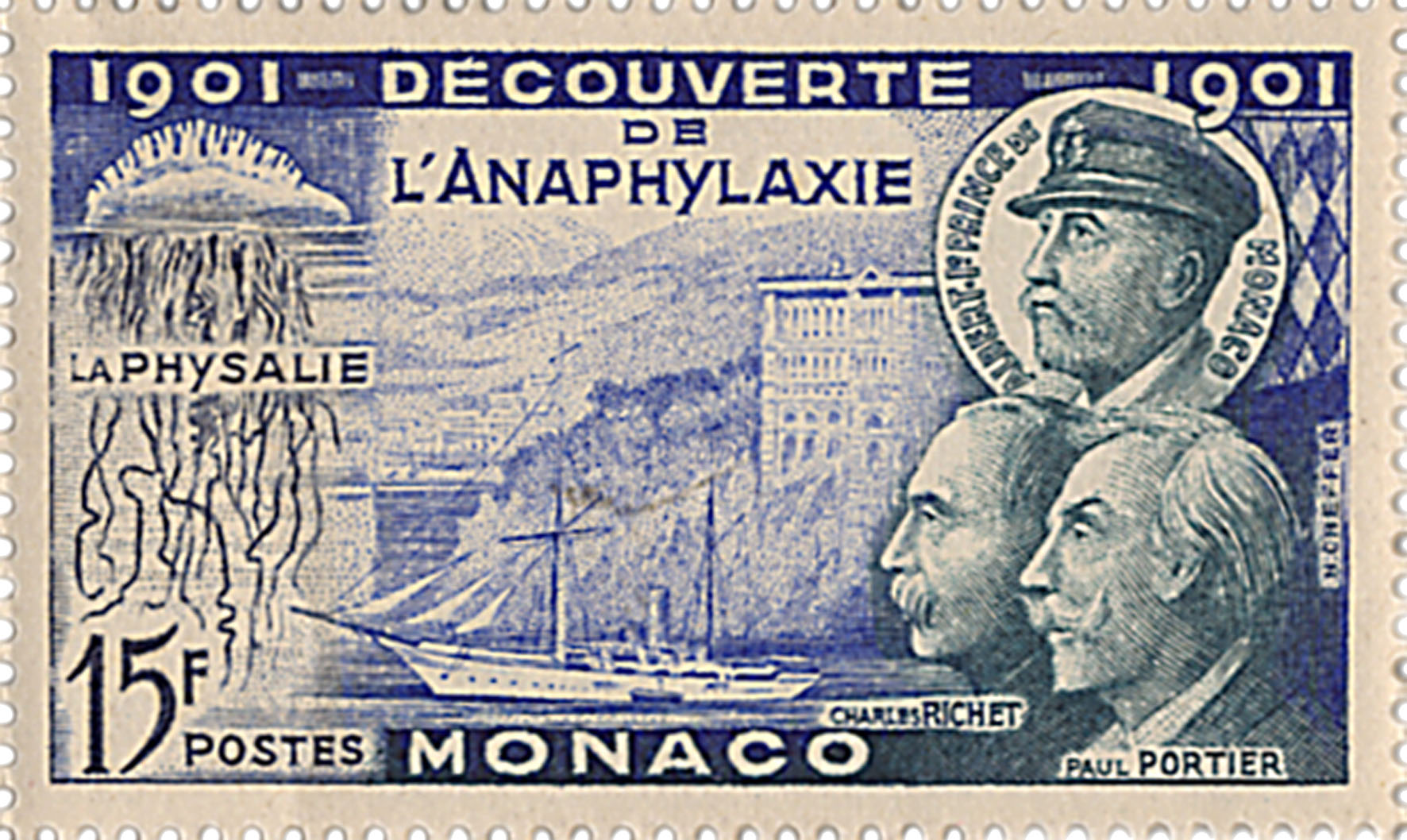
Instead of being immune, the guinea pigs became increasingly sensitive, even dying. Richet and Portier published the discovery of anaphylaxis in 1902 and defined it as follows: ” We call anaphylactic, as opposed to phylaxis, the property of a venom to diminish and not reinforce immunity when injected in non-lethal doses. This discovery laid the first foundations of allergology (all the knowledge relating to the reactions caused in the body by the introduction of a foreign substance called an antigen) and earned Charles Richet the 1913 Nobel Prize for Physiology and Medicine.

Timbre 1901 Decouverte de l'anaphylaxie

Experimenting with extracts from the tentacles of certain sea anemones, Richet and Portier found that dogs injected with the extract became overly sensitive to the action of a second dose. These dogs could be killed by an amount that was only a fraction of the fatal dose for an untreated dog. They called this state of abnormal sensitivity of the subject to the action of certain substances Anaphylaxis. ...] There was at first much surprise and disbelief, for scholars had hitherto been accustomed to regard the immunization or sensitivity-decreasing reaction as the appropriate response of an organism to the injection of foreign substances. It was therefore surprising that the exact opposite phenomenon could occur. Thus the laws of immunity were completely overturned.

See also

couverture du livre sur les méduses - Institut océanographique

Editions

Mapping Buyle

Explorations de Monaco

1-1-01-catlin seaview

Questions about the Ocean

Getting involved yourself

Breakthroughs in physiology, medicine and chemistry

The ocean offers valuable models for fundamental research and many studies have led to decisive advances in physiology, medicine and chemistry. No less than thirteen Nobel Prizes in medicine or chemistry have been awarded for work based on aquatic organisms: fish, cnidarians such as the jellyfish Aequorea victoria or the siphonophore Physalia physalis, molluscs (bivalves, cephalopods, sea slugs), crustaceans (crabs), echinoderms (sea urchins, starfish), even protozoa…

It was through his work on the intestines of anemones or on a starfish that Ilya Ilyich Mechnikov discovered phagocytes and phagocytosis (the process by which a cell engulfs and then digests a foreign substance) in 1883. He shared the 1908 Nobel Prize in Physiology and Medicine with Paul Ehrlich and has since been considered the father of cellular immunity.

By measuring the changes in electrical charges and the way nerve impulses are exchanged between cells in a very large nerve fibre of a John CarewEccles, Alan Lloyd Hodgkin and Andrew Fielding Huxley were pioneers in the study of nerve impulse transmission and were jointly awarded the 1963 Nobel Prize in Physiology or Medicine.

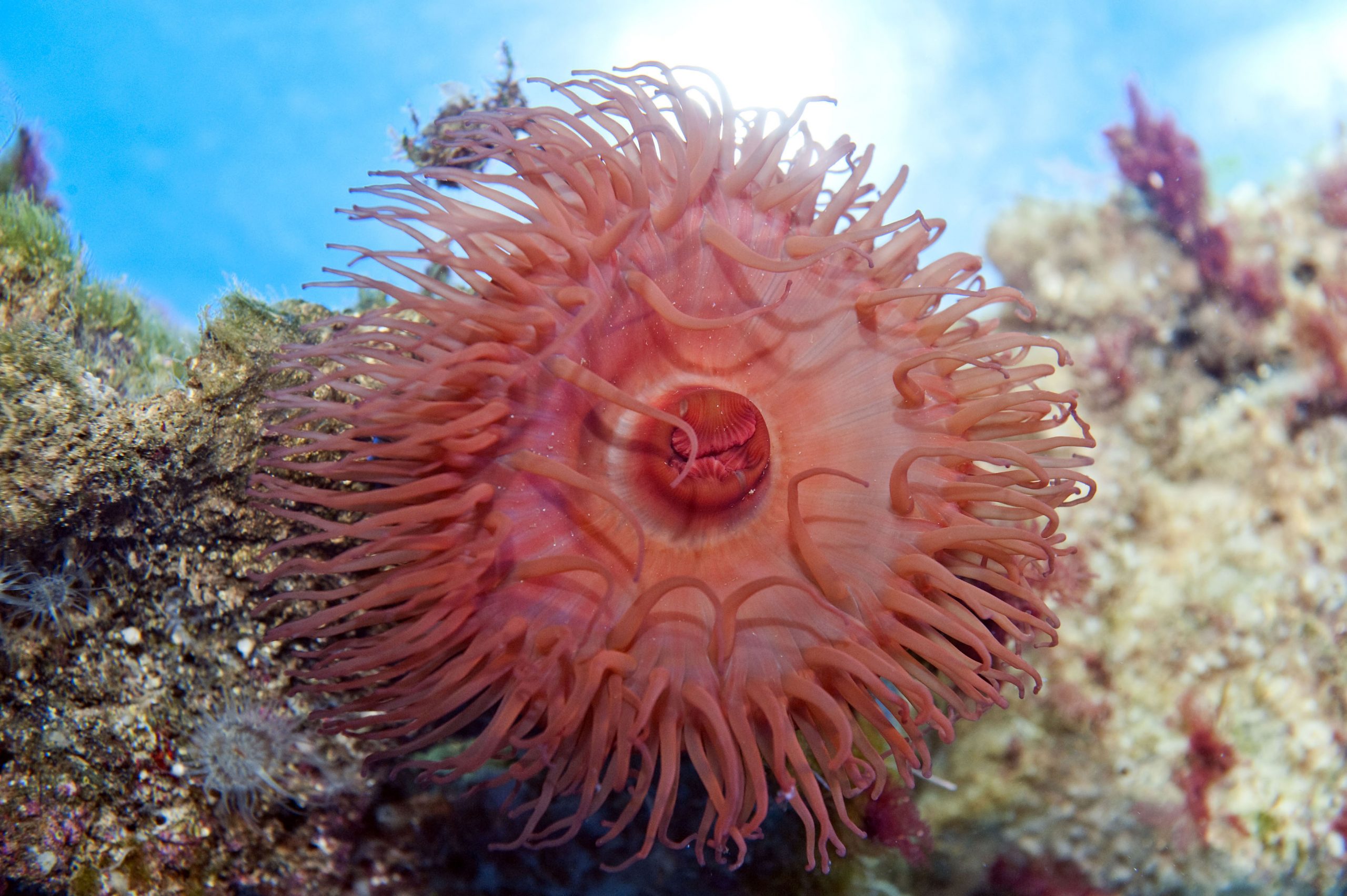
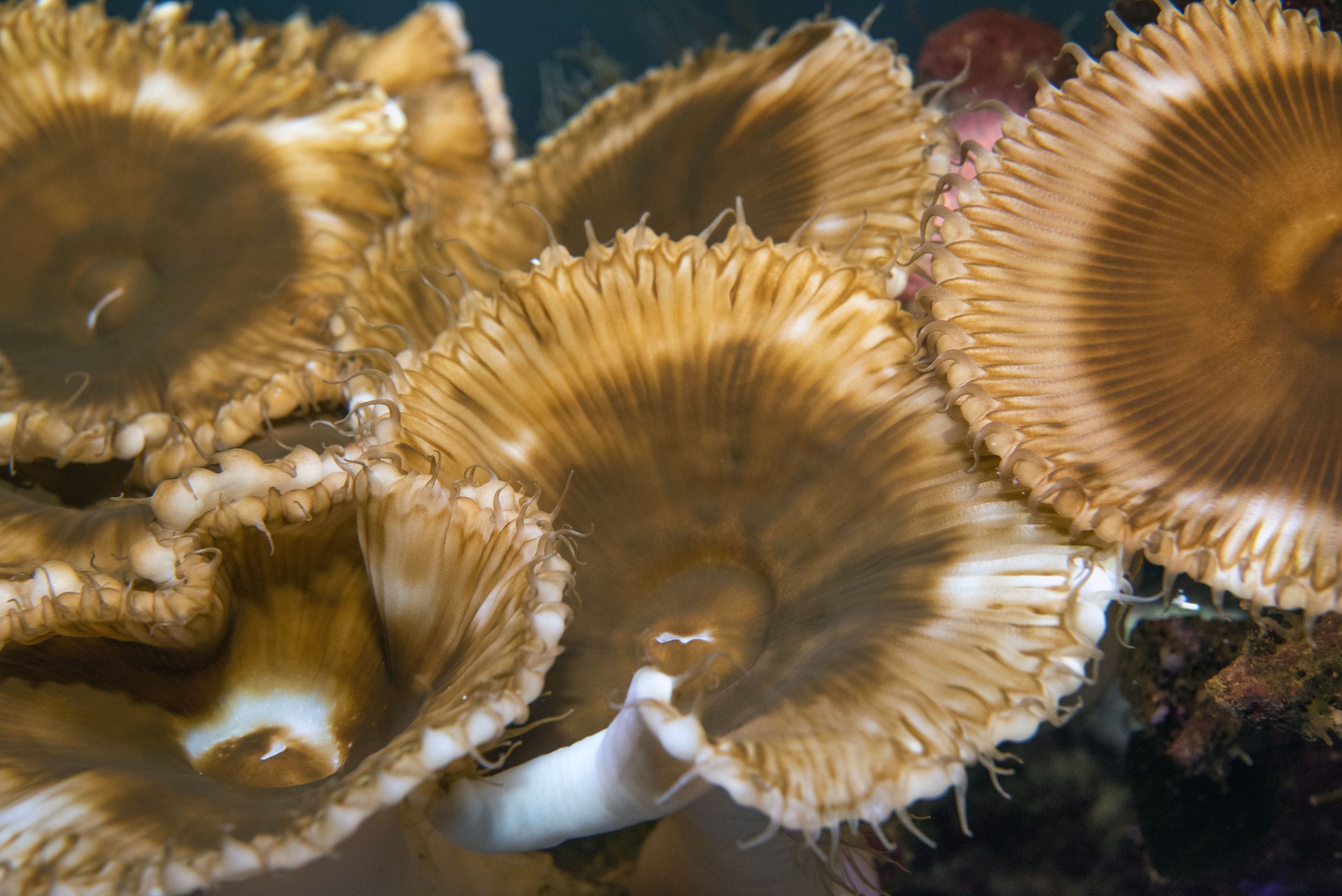
Anéméone tomate
Anéméone tomate
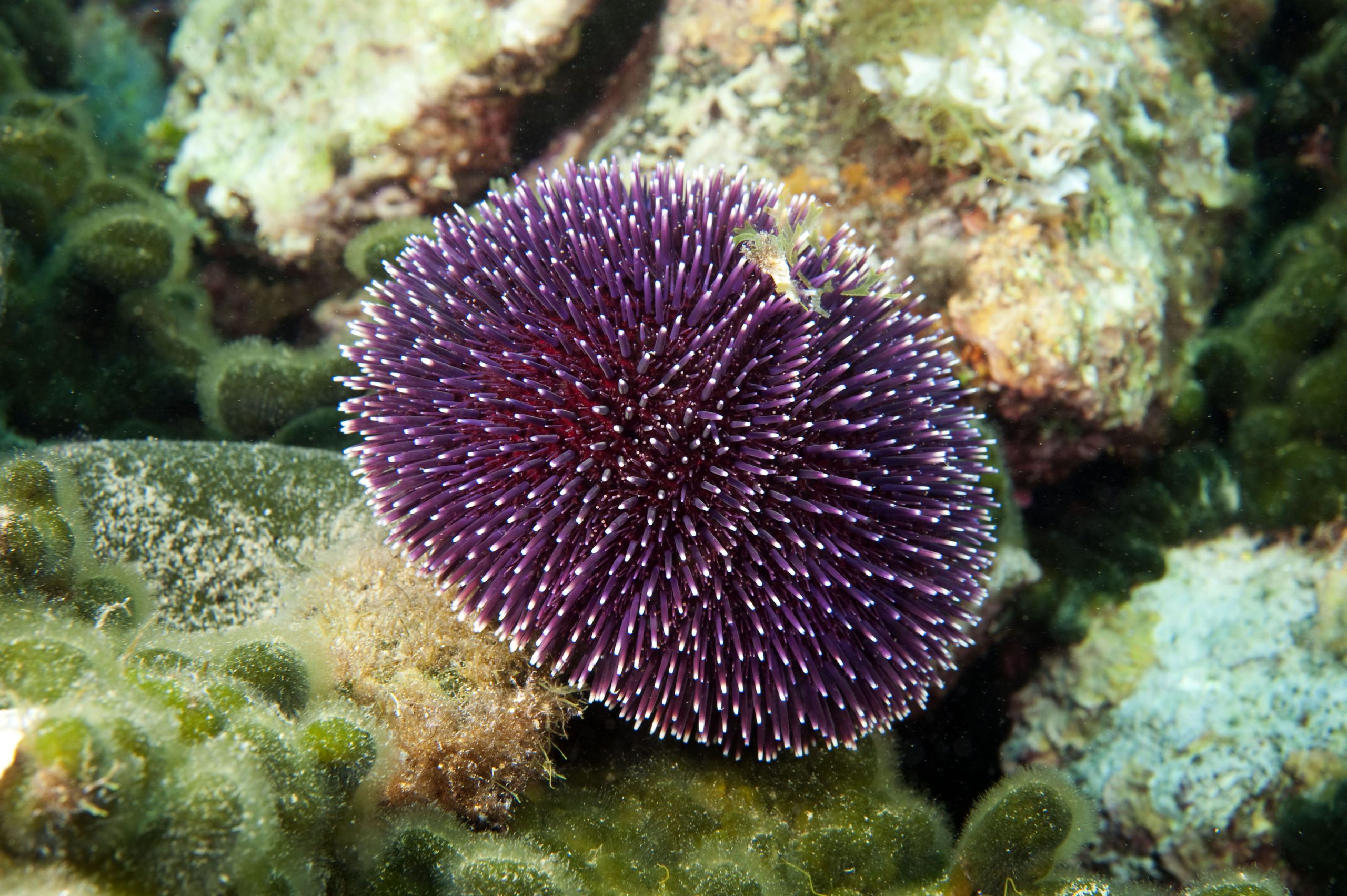
Sphaerechinus granularis

AND THE SOURCE OF MANY NOBEL PRIZES

The sea urchin served as a model for Otto von Warburg’s discovery of anti-polyspermia calcium waves (only one sperm per oocyte). For Eric Kandel and his work on the molecular basis of memory, it was a sea slug.

While studying the cell cycle of sea urchin eggs, Sir Tim Hunt discovered cyclins and demonstrated that these proteins, which break down during the different phases of the cell cycle, play a crucial role in its regulation, not only in echinoderms, but also in vertebrates. This research later had important implications for the study of key molecules involved in cancer development (cyclin and kinase) and earned Timothy Hunt, Leland Hartwell and Paul M. Nurse the 2001 Nobel Prize in Physiology and Medicine.

The 2008 Nobel Prize in Chemistry was awarded to Osamu Shimomura, Martin Chalfie and Roger Tsien for the discovery of electroluminescent organs in the jellyfish Aequorea victoria of a green fluorescent protein (GFP) that glows intensely under ultraviolet light. This protein truly revolutionized the life sciences by making it possible to track, among other things, how cancerous tumors form new blood vessels, how Alzheimer’s disease kills brain neurons, and how HIV-infected cells produce new viruses.

This protein, synthesized since 1994, is used in medical research. Scientists are now able to modify the gene that controls GFP production to give different stainings that allow us to study proteins in their natural environment and understand certain processes to improve our knowledge of the complex network that is the human brain.

Aequorein, another protein extracted from the jellyfish Aequorea victoria, is used to measure calcium in muscle tissue at the level of nerve endings.

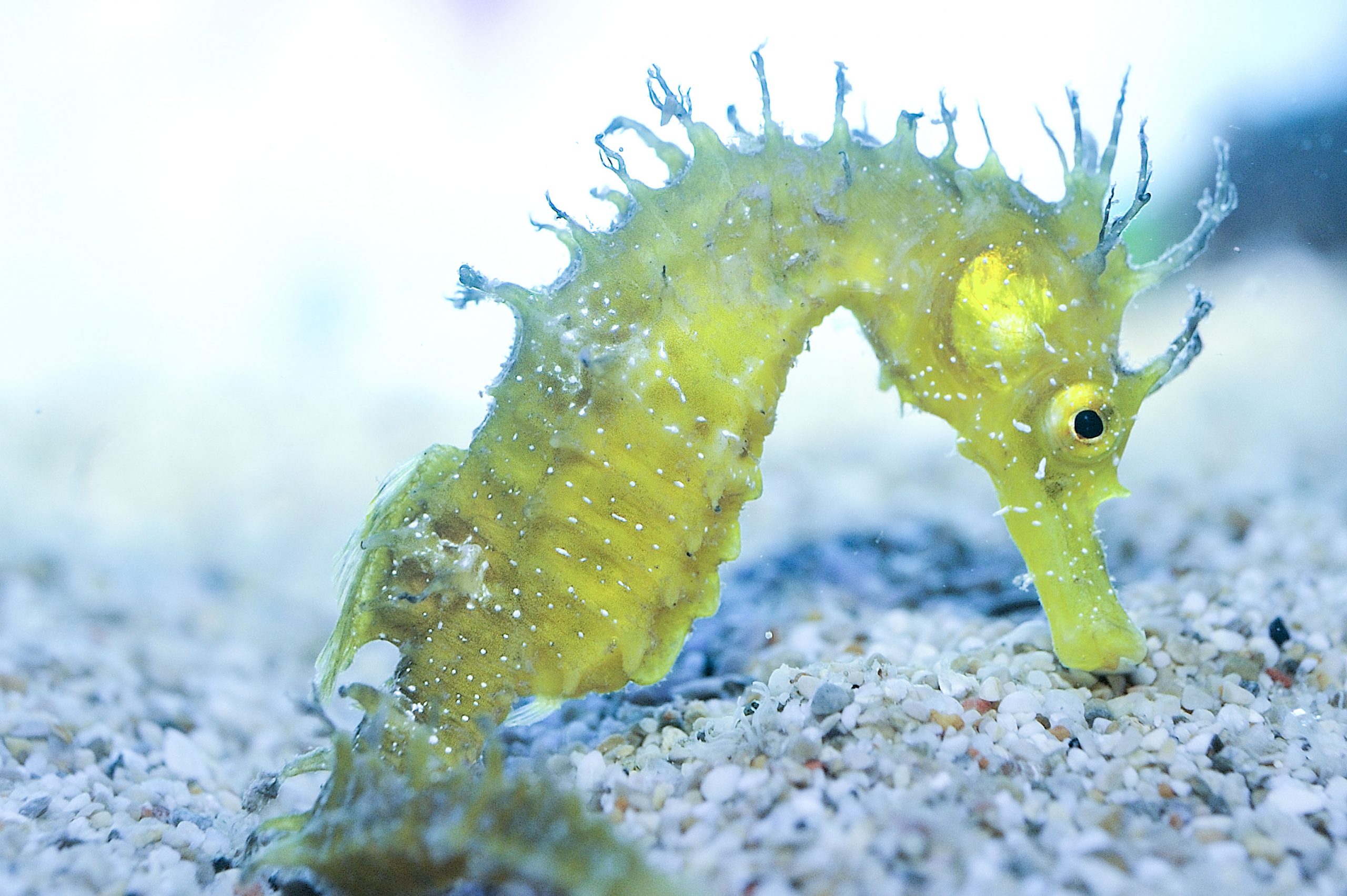
Hipppocampe moucheté Hippocampus ramulosus
L’hippocampe intéresse les chercheurs car l’expression des gènes du développement fœtal pendant la grossesse (du mâle) ressemble fortement à celle des gènes humains.

See also

couverture du livre sur les méduses - Institut océanographique

Editions

Mapping Buyle

Explorations de Monaco

1-1-01-catlin seaview

Questions about the Ocean

Getting involved yourself

BECOME THE VOICE OF THE OCEANS

More than a thousand compounds isolated from marine organisms have been shown to have antiviral effects, and a recent study found that griffithsin, a protein isolated from thered alga of the genus Griffithsia sp.… could be an inhibitor of certain coronaviruses by inhibiting their spike proteins, which give them their crown-like appearance, thus preventing their entry into host cells.

From the haemoglobin of a marine worm, the arenicola, which lives in the sand, the biotechnology company Hemarina has developed a “molecular respirator”, a molecule of marine origin which has the property of storing and transporting oxygen better than human haemoglobin (it binds 40 times more!). This molecule should enter a test phase on patients suffering from the coronavirus with the aim of treating respiratory distress syndrome linked to Covid-19, thus freeing up artificial respirators for other patients and relieving hospital services. This molecular respirator could find other applications in very specific cases, such as the transport of organs before transplantation.

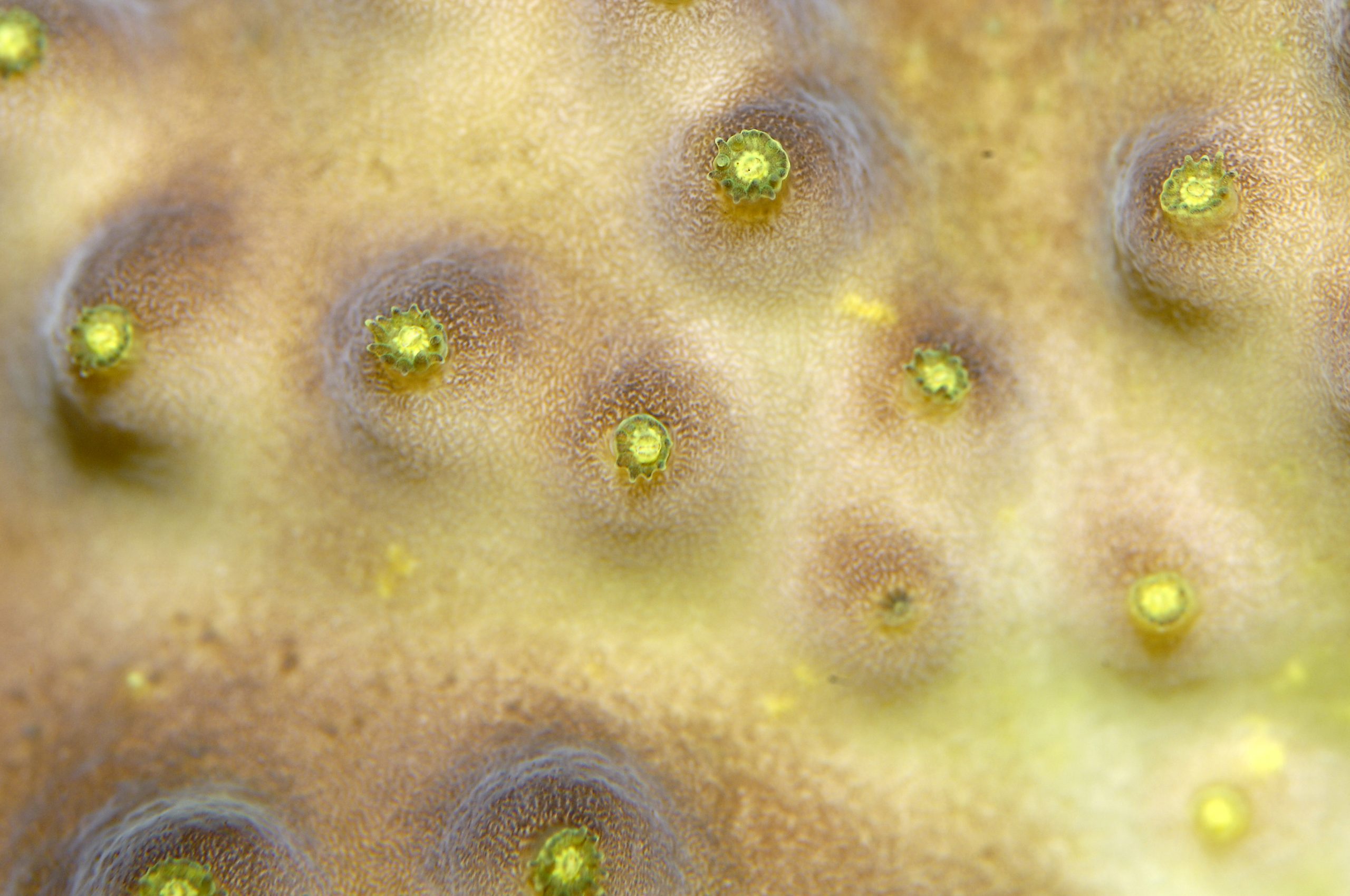
01 Détail corail Turbinaria réniformis bac C8 M.Dagnino
Détail corail Turbinaria réniformis
Corail-Palythoa-grandis
Le zoanthaire Palythoa grandis produit une toxine puissante, la Palytoxine.

FIND OUT MORE

The Marseille-based company Coral Biome is interested in palytoxin (produced by soft corals of the genus Palythoa, order Zoantharia), a highly toxic molecule used in the treatment of certain cancers.

Numerous compounds, currently in clinical development for anticancer activities, have been isolated from the colonial ascidians Didemnum molle, common sessile marine invertebrates (characterized by their attachment to a support) living within the coral reef.

Approximately 1,000 times more effective than morphine, an analgesic synthesized by copying a molecule present in the venom of the Conus magus cone (a marine gastropod mollusc) is particularly indicated for alleviating intense chronic pain.

The Ocean is thus a huge library as well as a pharmacy. It is essential to recognise and value these functions, and to avoid seeing them evaporate as a result of climate change, overexploitation of species and the degradation of marine ecosystems, driven by an overly short-sighted view focused on the profits of fishing, hydrocarbons and soon mineral resources.

See also

couverture du livre sur les méduses - Institut océanographique

Editions

Mapping Buyle

Explorations de Monaco

1-1-01-catlin seaview

Questions about the Ocean

Getting involved yourself

Influencer for the Ocean

BECOME THE VOICE OF THE OCEANS

Health requires a sufficient and balanced diet, including a regular supply of proteins, vitamins, lipids, minerals and trace elements. The ocean provides us with a good part of these elements which are essential to our metabolism.

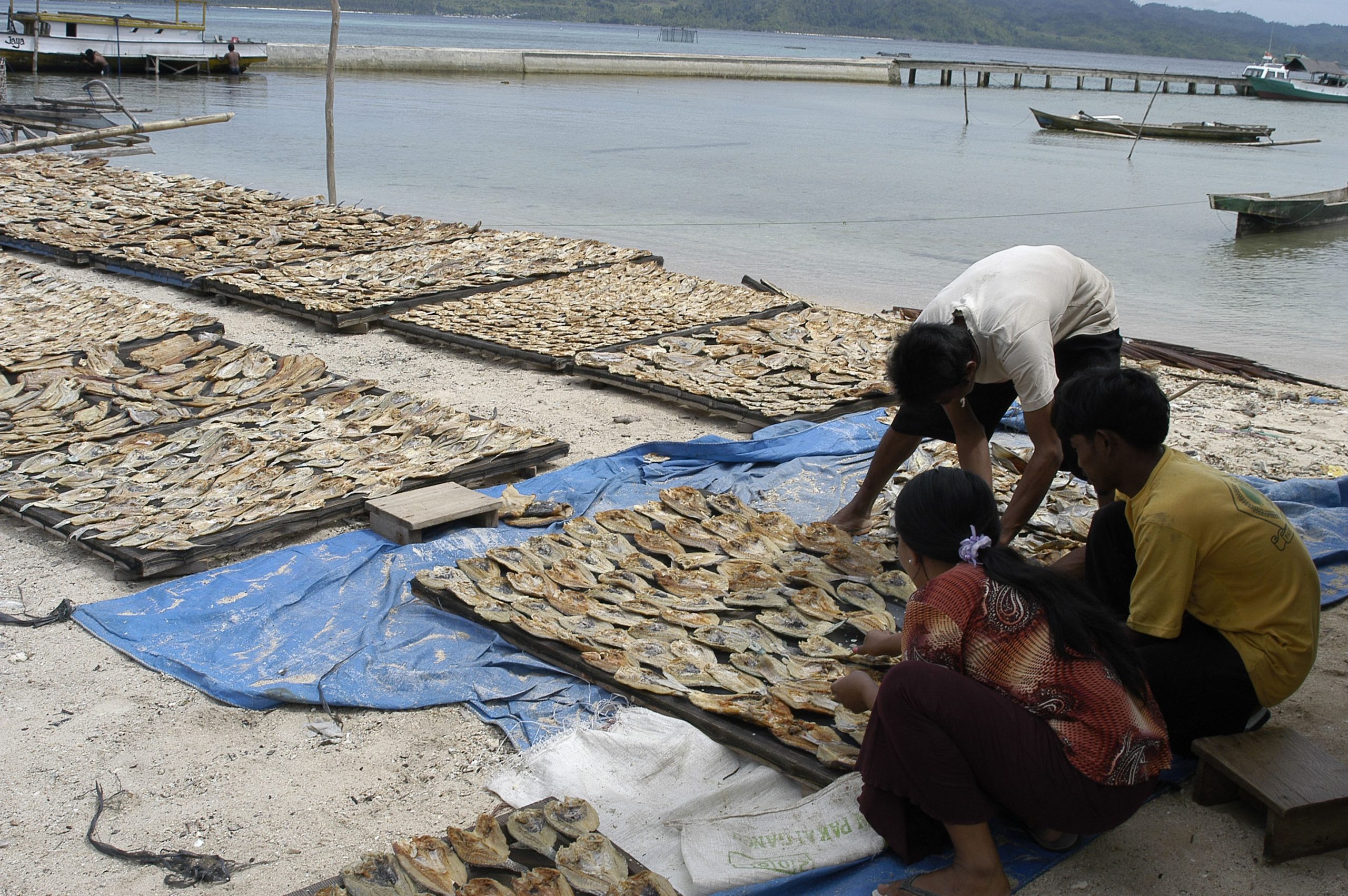
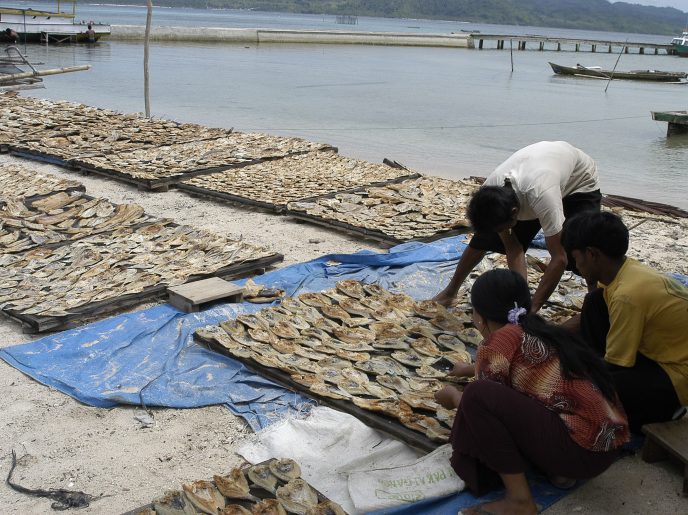
Worldwide, 20 kg of fish are consumed per year per person. 17% of the animal protein consumed by humans comes from fishing and aquaculture. In Indonesia or Sri Lanka, they provide at least 50% of the animal protein consumed by the population. This shows the major challenge of preserving resources for food security and health! Unfortunately, due to overfishing, pollution and illegal fishing, global fish stocks are declining. 33% are overexploited (in the Mediterranean, this rate reaches 62%!) and 35% of the fish caught do not reach our plate, a waste all along the chain, which we must no longer tolerate. If humanity is to remain healthy, it is essential to manage resources in a truly sustainable way, starting now. And it is possible!

indonesie Poisson
En Indonésie, comme ici à Banggaï, les poissons fournissent au moins 50 % des protéines animales consommées par la population.
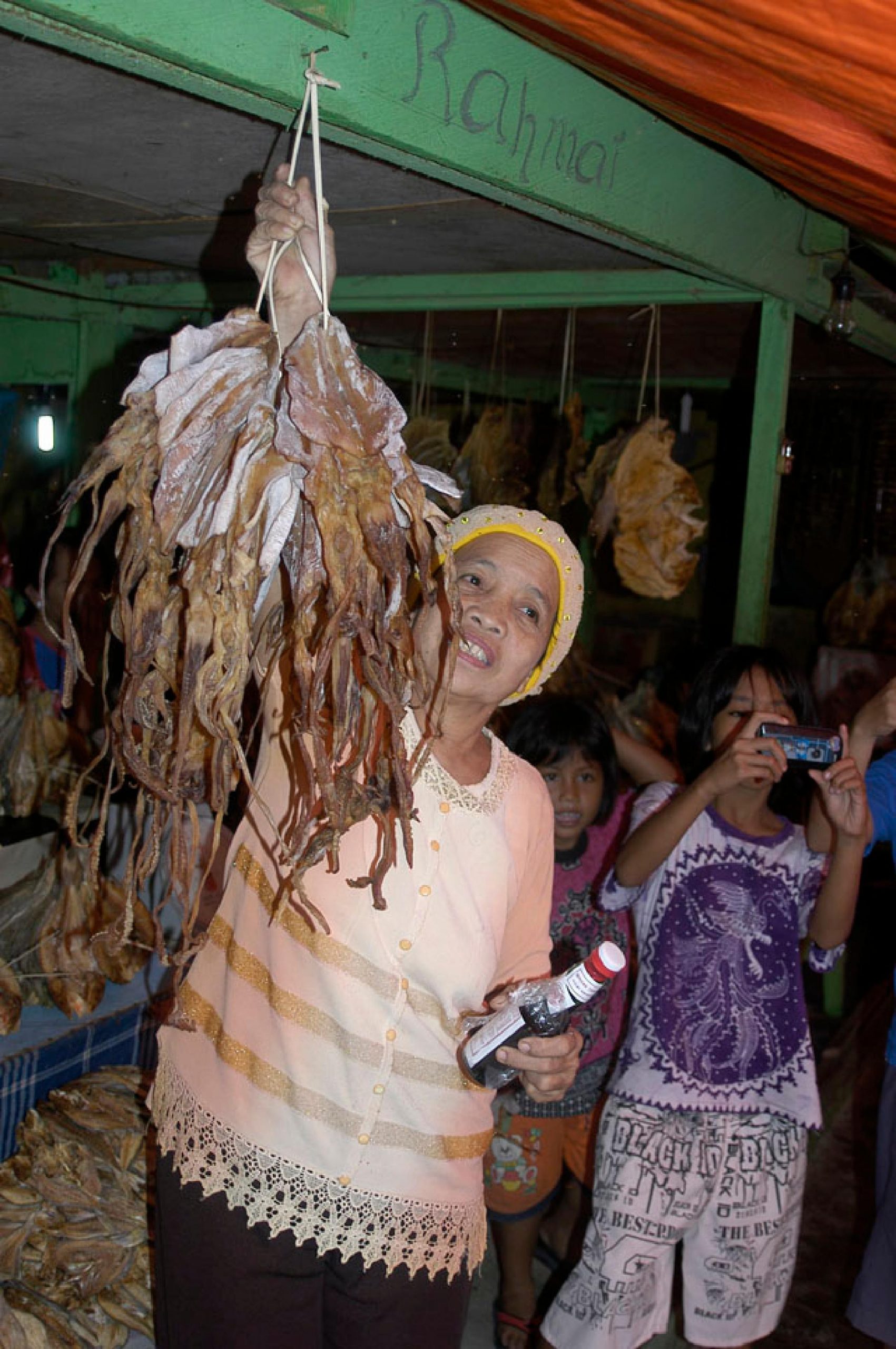
Indonesie méduses sechées marché
Méduses séchées en vente sur un marché d'Indonésie

FIND OUT MORE

Some specialists estimate that, if it is well protected and managed, the Ocean could provide two thirds of the world’s protein requirements, estimated at 500 million tonnes, by 2050.

This is only possible if the ocean remains a healthy environment for both organisms and us. The Ocean, which is remarkably robust to disturbances, is unfortunately sometimes “overtaken” by pollution from land-based sources: pesticides such as chlordecone, heavy metals, urban organic pollution, as well as the emerging issues of endocrine disruptors or nanoparticles. Sometimes it is the degradation of ecosystems that causes health problems, as when the death of corals gives way to algae and toxic ciguatera.

For a long time, the ocean has been mistaken for an inexhaustible larder and, at the same time, a bottomless garbage can. Today, we must take care of an extremely lively environment, which feeds and cares for us!

See also

couverture du livre sur les méduses - Institut océanographique

Editions

Mapping Buyle

Explorations de Monaco

1-1-01-catlin seaview

Questions about the Ocean

Overfishing threatens bluefin tuna

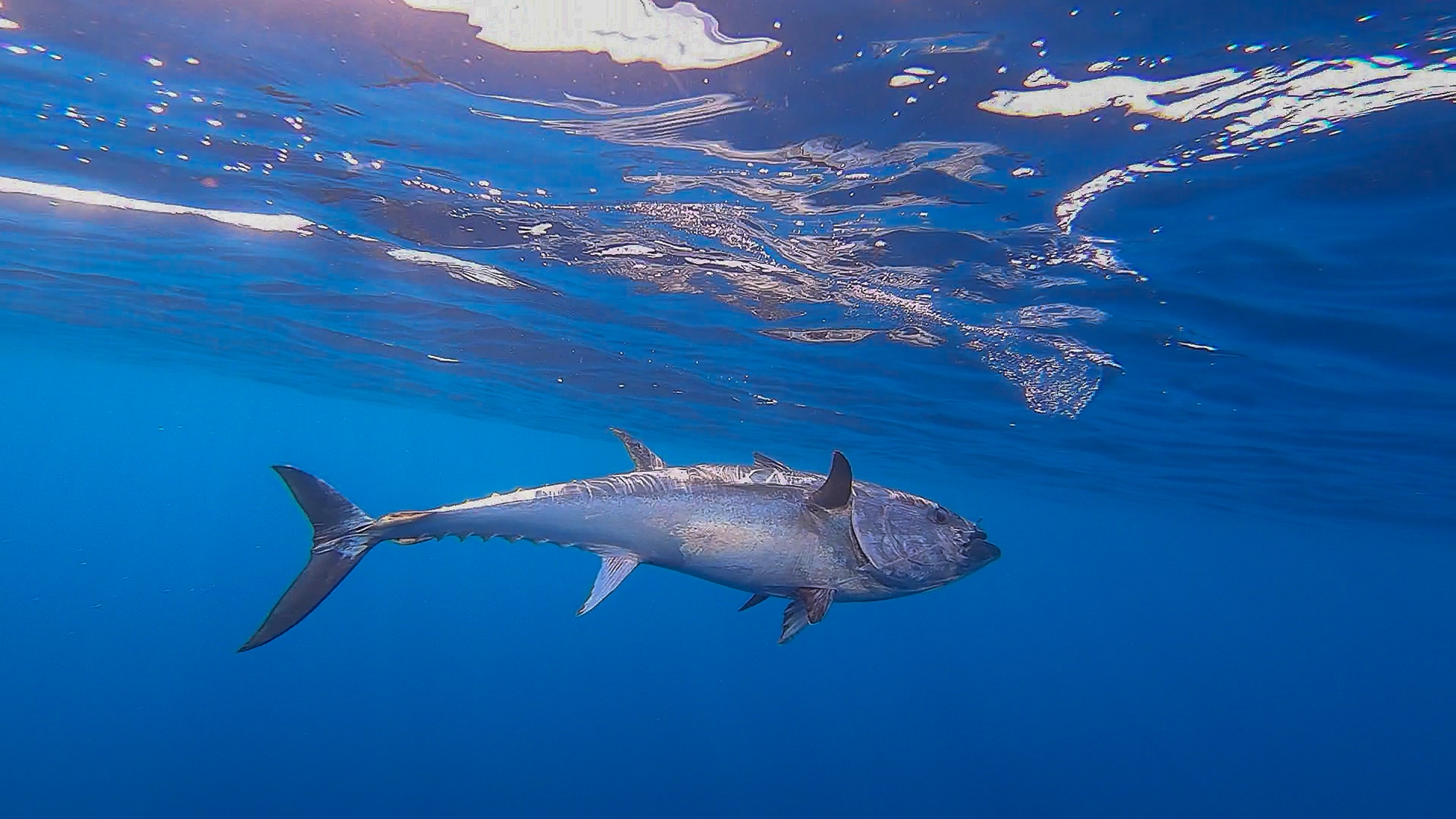
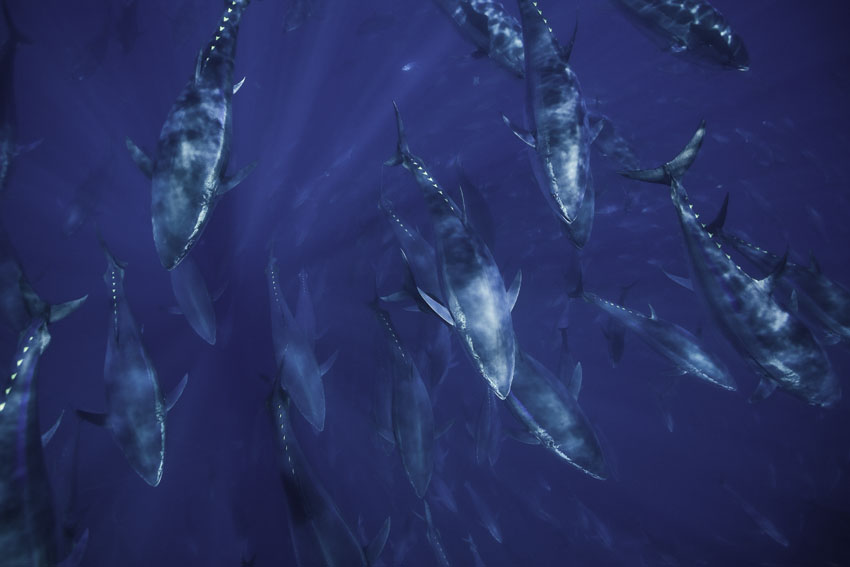
Thon Mer

In the
European Red List of Marine Fish
established in 2015 by the International Union for Conservation of Nature (IUCN), the Atlantic bluefin tuna is listed as “Near Threatened”.

Overfishing and overcapacity of fishing fleets are the main cause of the depletion of bluefin tuna.

How did we get here?

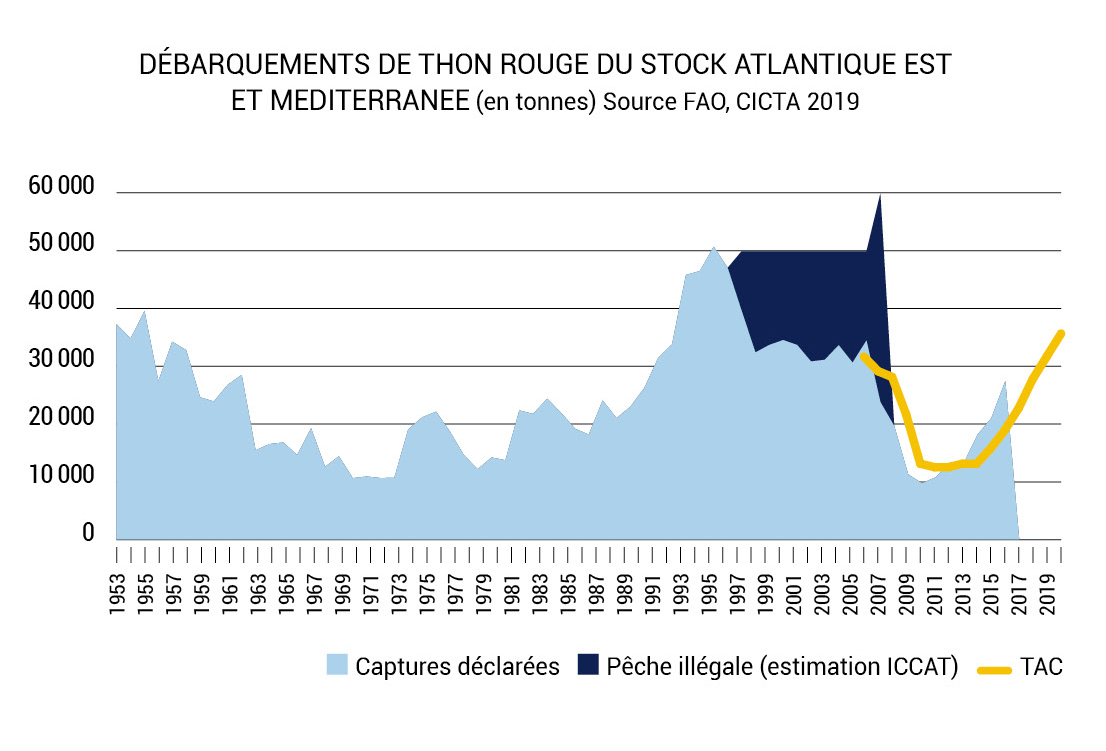
From 1990 to 2007, catches peaked at record levels of around 50,000 tonnes/year, well beyond the capacity of the stock to regenerate. Noting the overexploitation, ICCAT set up a quota of about 30,000 tonnes per year in 1998, without any positive result because the quota is higher than the scientific recommendations and, above all, it is not respected by many countries, and this until 2007.

DID YOU KNOW?

The scourge of plastic at sea also threatens bluefin tuna. According to a study conducted in 2015 on large predators in the Mediterranean (tuna and swordfish), 32.4% of bluefin tuna specimens studied contained plastic in their stomachs, a real concern for the IUCN and a warning signal on the potential effects of this debris on human health.

In 2006, in order to avoid a total collapse of the populations, a recovery plan for theEastern Atlantic and Mediterranean was adopted, including measures to monitor and control fishing activities (closed seasons, obligation of a “minimum conservation size” of 115 cm or 30 kg (certain types of fishing have derogations at 8 kg or 75 cm), ban on reconnaissance aircraft, presence of observers on board vessels, traceability of catches, etc.), but the fishing quotas are still too high

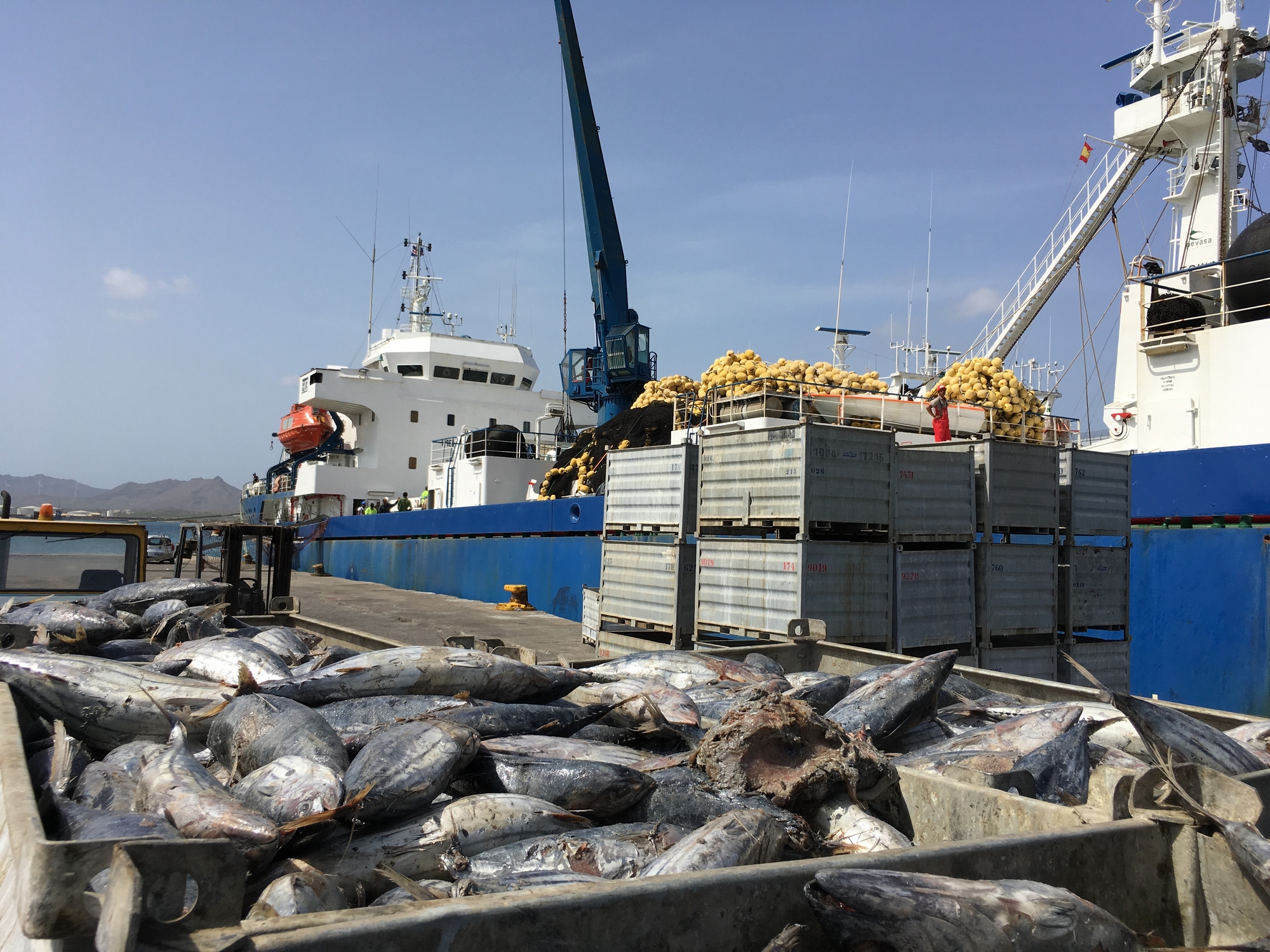
Peche Thon Bateau
Les thons congelés (listao) de ce grand thonnier senneur rejoindront une usine d’emboitage (conserverie) au Cabo Verde (© Pierre Gilles, Explorations de Monaco).

A small victory at CITES

Under pressure from NGOs and certain states (including the Principality of Monaco and France) who advocate the inclusion of the species in Annex 1 of the Convention on International Trade in Endangered Species of Wild Fauna and Flora (CITES) – which would have the effect of prohibiting international trade – the quota is revised downwards (13,500 tonnes) for 2010, following scientific advice for the first time; an important victory for organisations working for sustainable bluefin tuna fishing. !

A situation that has improved since 2009

Thanks to the strengthening of the recovery plan and more effective control, the bluefin tuna situation is improving from 2009 onwards. Declared catches are decreasing, aerial monitoring shows that young bluefin tuna are more abundant, the spawning biomass is increasing, and fishermen are observing them more regularly. Today, the species is no longer “overexploited” but the current stock, although in better condition, is far from having recovered its preindustrial level, and bad practices such as illegal fishing persist.

With fishing quotas set to increase (32,240 tonnes for 2019, 36,000 tonnes for 2020 – including 19,460 tonnes for the European Union and 6,026 tonnes for France) – the highest levels since the recovery plan was put in place – it will be up to the international community, scientists and consumers to carefully monitor the situation of Atlantic bluefin tuna over the coming years. To be continued, then!

Thon rouge à Monaco - Olivier Jude
Images surprenantes de grands thons rouges croisant dans les eaux côtières de Monaco en juin 2020 (© Olivier Jude & Sylvie Laurent) www.phoctopus.com

The corner of the experts

Débarquement Thon rouge
Débarquement de thon rouge de l’Atlantique est et de la Méditerranée de 1953 à 2017 (Source Ethic Ocean).

What about bluefin tuna aquaculture?

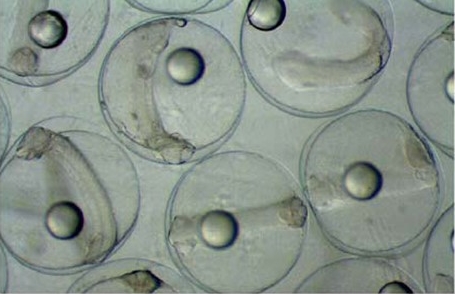
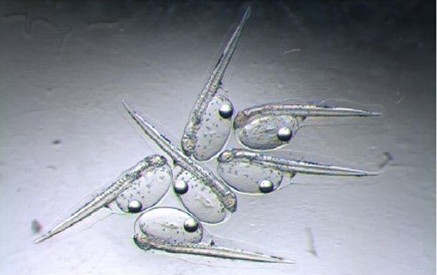
Oeufs de thons rouges
Embryonated bluefin tuna eggs (© Fernando de la Bandara - IEO)
Larves de thons rouges
Embryonated bluefin tuna eggs (© Fernando de la Bandara - IEO)

An activity that creates controversy

Unlike many marine species (salmon, sea bass, sea bream), the aquaculture of large tunas is not perfectly mastered and continues to be the subject of extensive experimentation in several countries (Australia, Japan, Europe) in order to carry out the complete cycle of farming over several generations, with a view to eliminating catches at sea and maximising profits. Proponents of large tuna aquaculture believe that farming will reduce pressure on wild stocks. Environmental organizations believe that the problem will just be displaced, with fishing pressure shifting to the “forage fish” at the base of the food chain, potentially disrupting the entire marine ecosystem.

Tuna fattening

Bluefin tuna farming is based almost exclusively on “fattening”, a technique that consists of catching young tuna in the wild and growing them in large fish farms to commercial size. Fed with “feed” fish (10 kg of sardines or mackerel will produce 1 kg of tuna), the fish quickly fatten up before being slaughtered and exported to consumer countries, mainly Japan, far from where they are produced, contributing to the emission of greenhouse gases. The activity is controversial; for sustainable fishing advocates, it decimates future breeders and lacks transparency.

As practiced today, bluefin tuna aquaculture appears to be far from sustainable as it raises, among other issues, the problem of marine resource management, ecological impacts and greenhouse gas emissions.

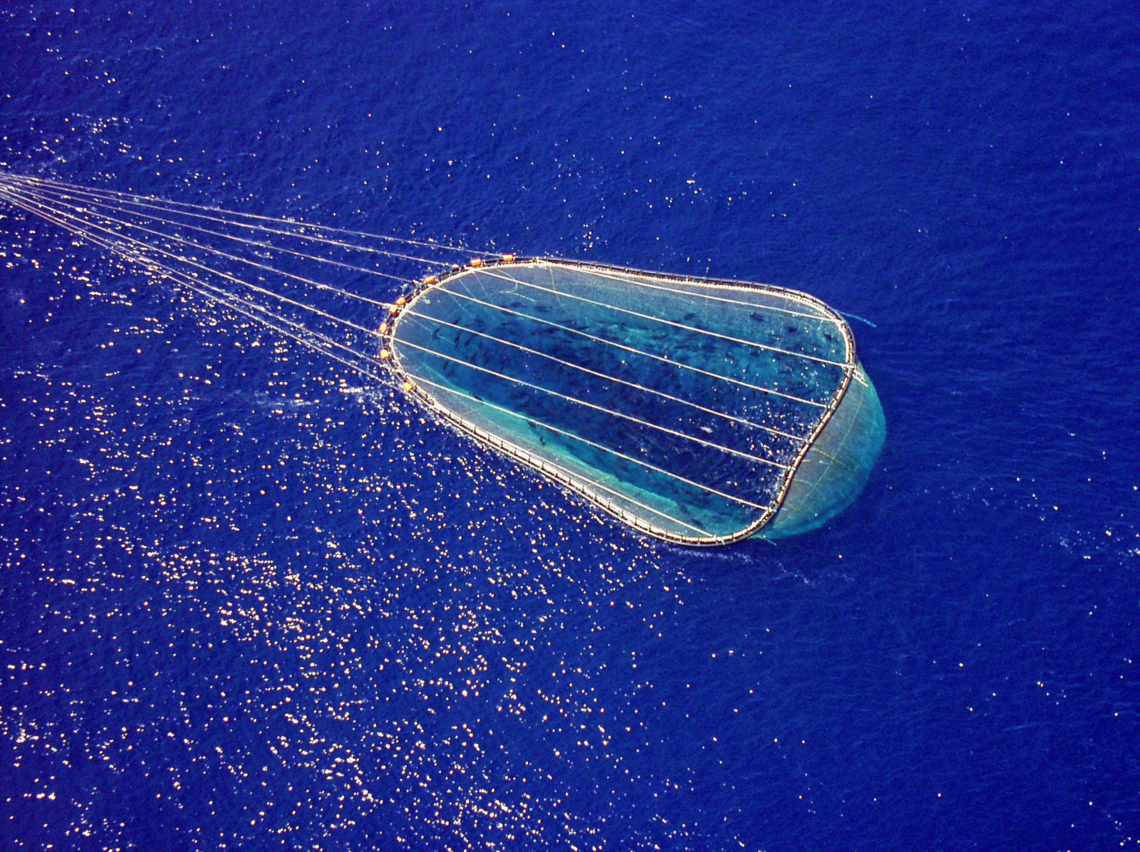
Route Ifremer
Cage flottante, contenant des thons rouges vivants capturés en Méditerranée par une senne tournante, en route vers une ferme d’engraissement (© J.M. Fromentin/Ifremer)

The corner of the experts

Three species with high market value are fattened at the fattening sites: Atlantic bluefin tuna(Thunnus thynnus), Pacific bluefin tuna(Thunnus orientalis) and southern bluefin tuna(Thunnus maccoyii). More than 50 farms, located in Australia, Mexico, Japan and the Mediterranean produced a total of 36,350 tons in 2014, including 14,500 tons of Atlantic bluefin tuna, mainly in Italy, Spain, Croatia, Malta, and Turkey.

The vast majority of bluefin tuna caught in the Mediterranean by industrial fisheries is destined for the fattening activity that serves the Japanese market.

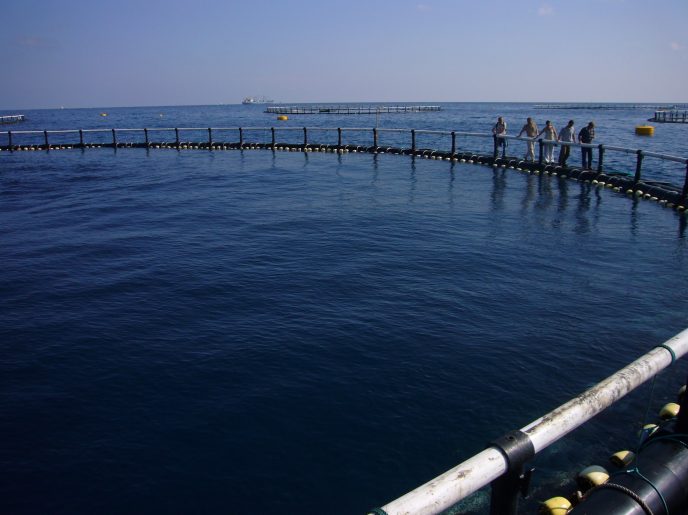
Elevage Thon Malte
Une cage d’embouche du thon rouge à Malte (© François Simard)

What is the size and weight of a bluefin tuna?

Quelle est la taille du thon rouge ?
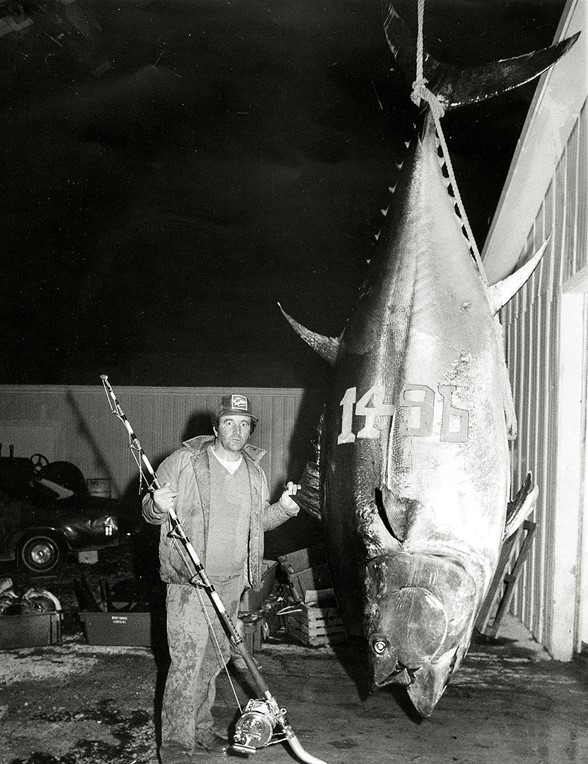
Avec 678 kilos et 3 mètres, ce spécimen capturé en Nouvelle Ecosse (Canada) en octobre 1979 est considéré par l’International Game Fish Association comme le plus gros spécimen de thon rouge de l’Atlantique jamais capturé.

A record-breaking fish

The Atlantic bluefin tuna is a large marine fish and the largest in the “tuna” family. At the age of 30, it can reach 3 meters and exceed 600 kg! Its size and weight at maturity differ according to the geographical area. In the Mediterranean, it is adult at the age of 4 years (i.e. 30 kg for a length of approximately 120 cm) whereas it takes 9 years in the West Atlantic (i.e. 150 kg for approximately 190 cm).

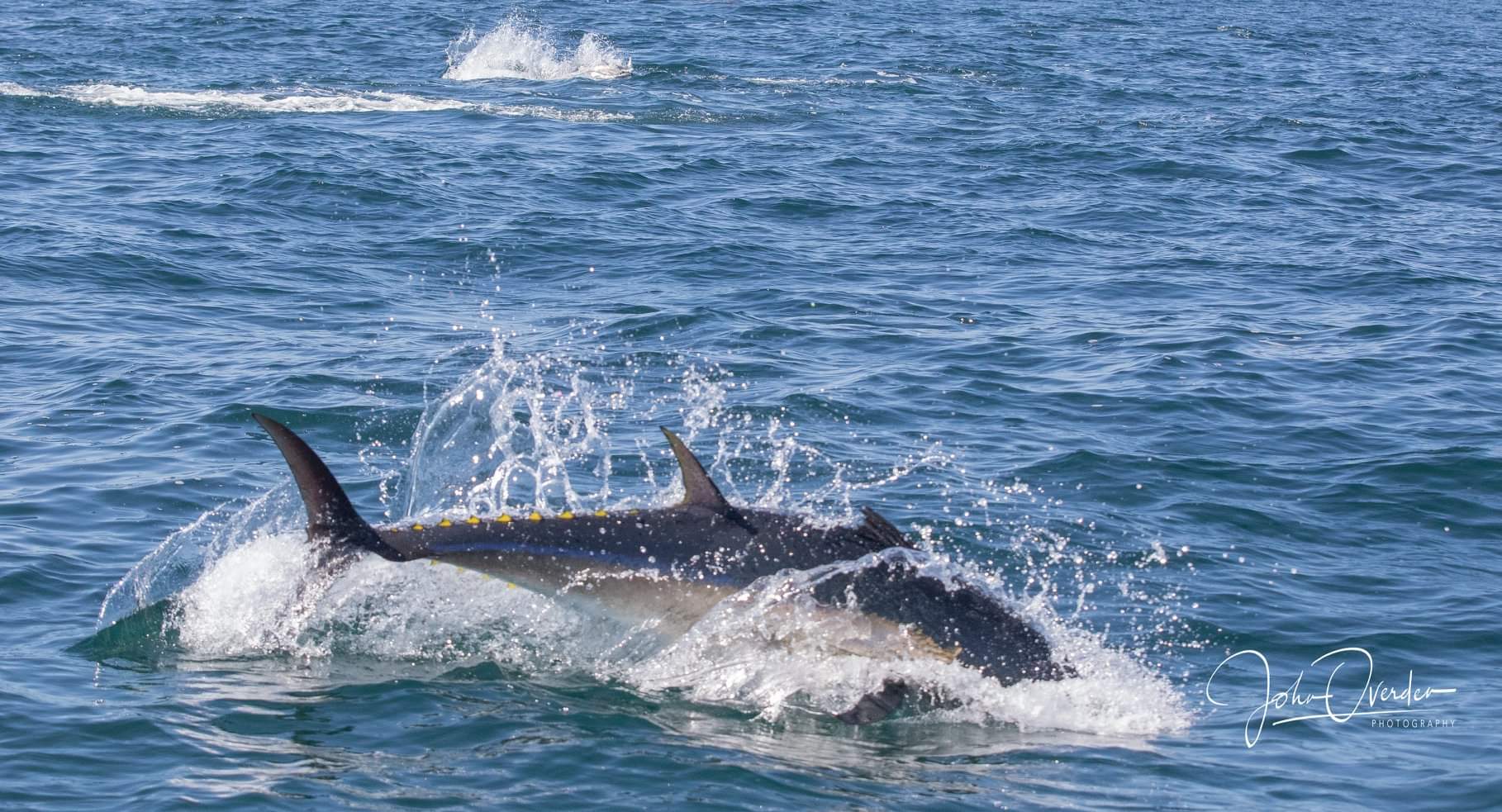
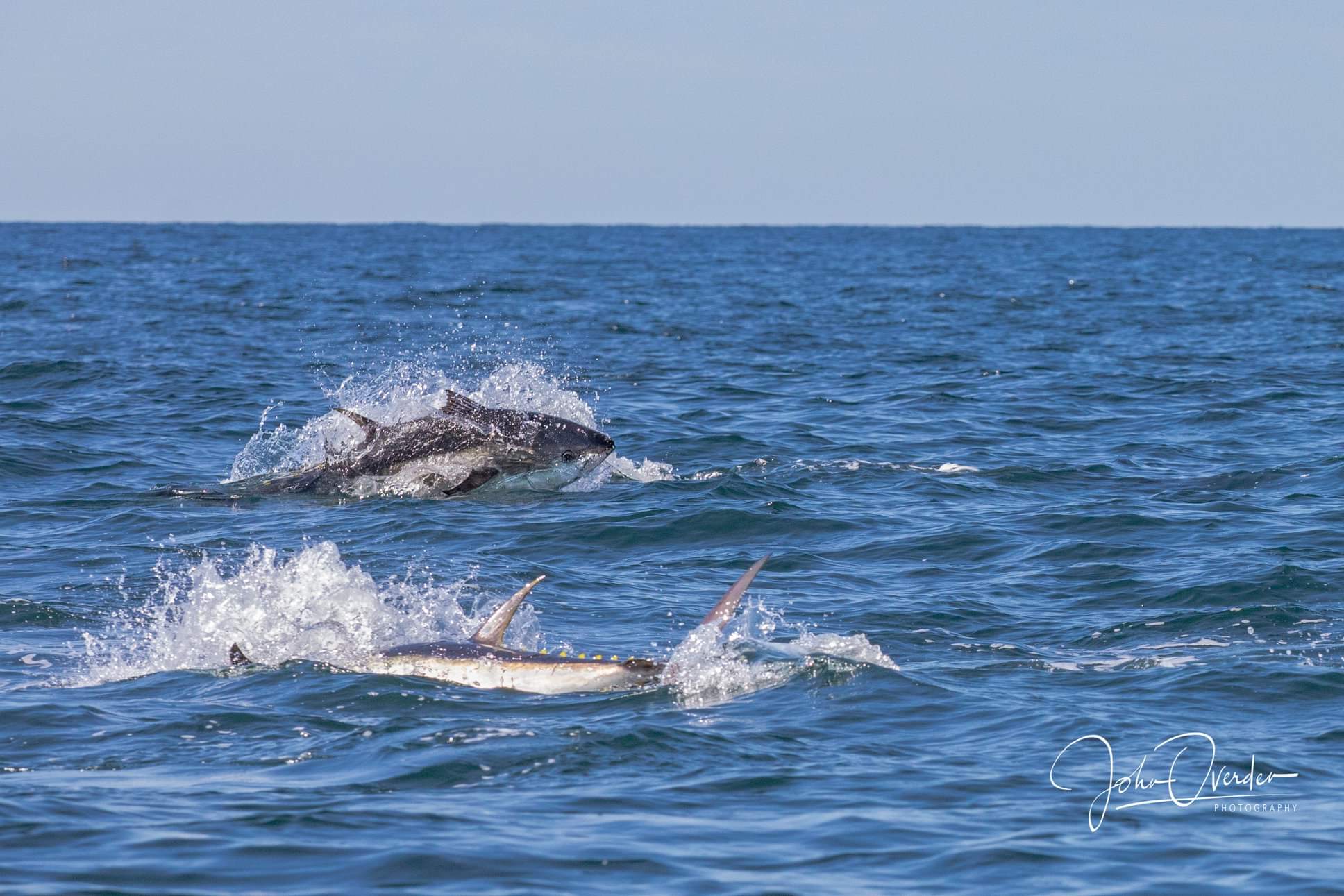
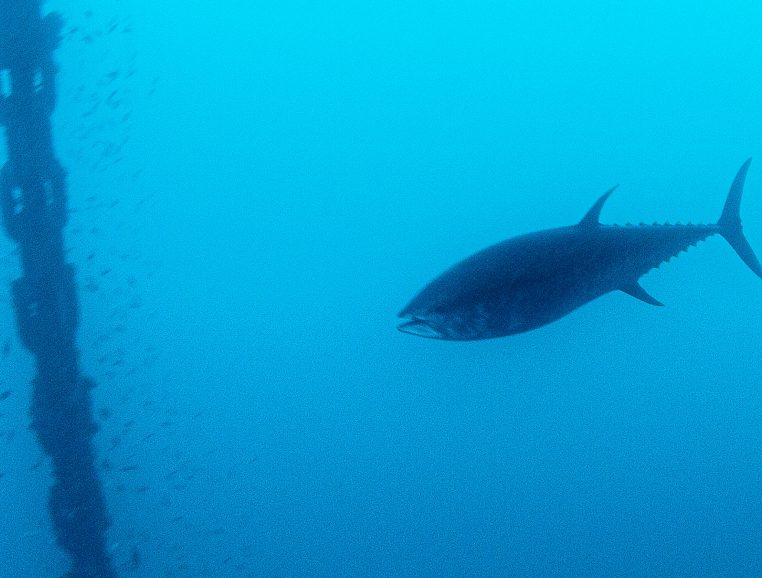
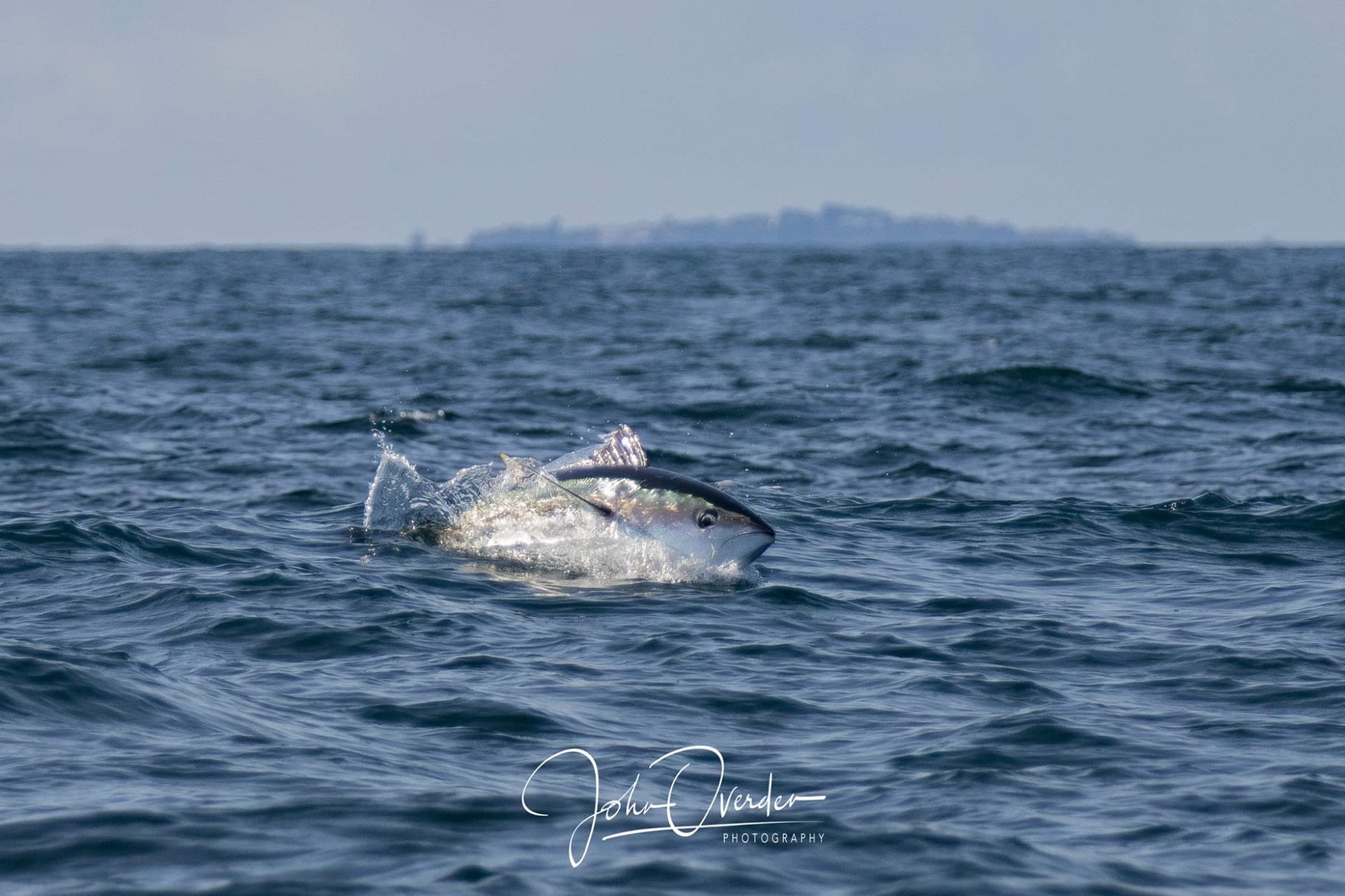
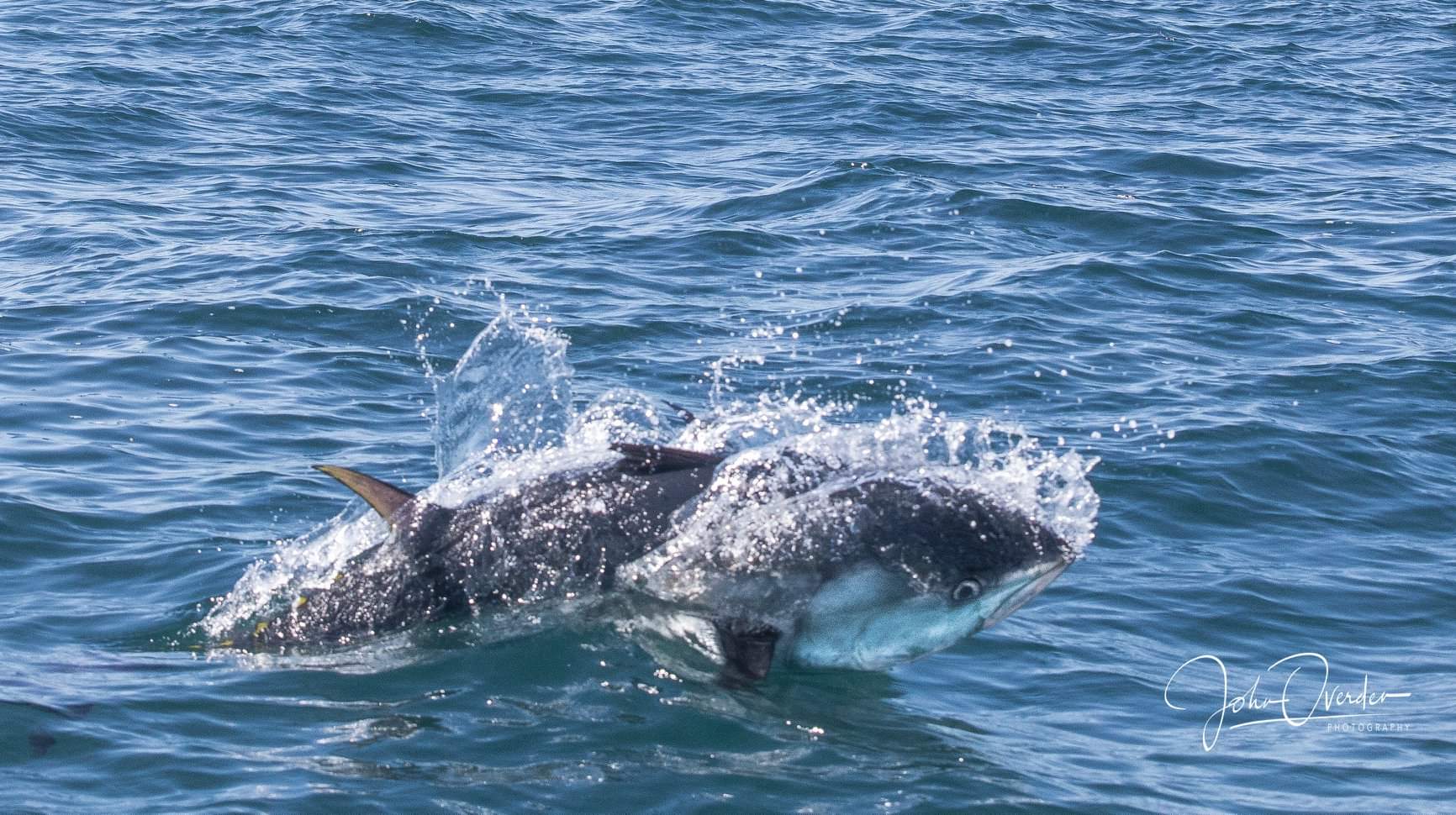
Bluefin tuna are increasingly being seen off the British Isles as here in the English Channel © John Ovenden, photographer

"Small" or "big"?

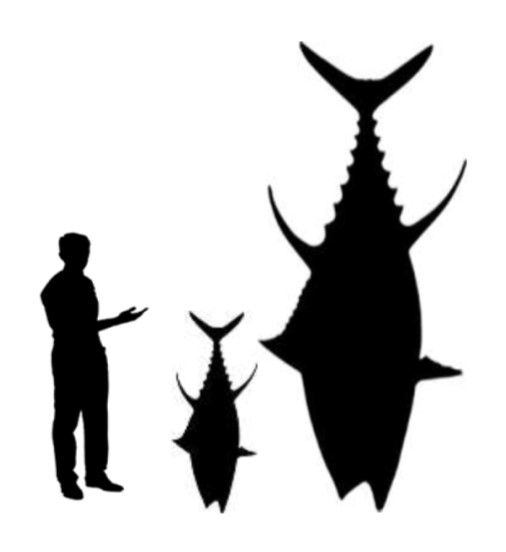
In our collective memory, the size and weight that certain animal species can reach (crocodiles, sharks, large fish such as cod or halibut) have disappeared. In just one or two generations, we have hunted, fished, and eliminated the large individuals. What we consider today as “big” specimens, are in fact only “small” or “medium” ones! Atlantic bluefin tuna is no exception to this rule. A fish of 30 kg – a weight that is already quite substantial – is only a “baby” compared to large individuals of several hundred kilos!

Silhouettes thons et humain
Un thon de 30 kilos n’est qu’un « bébé » par rapport aux gros individus de plusieurs centaines de kilos !

HEALTH & OCEAN

the benefits of the ocean

The coronavirus pandemic and the resulting unusual situation are particularly difficult times. Paradoxically, it is also an opportunity to question the relationship between human health and the environment around us…

The Institute of Oceanography is naturally concerned with the relationship between our health, the ocean and preserved biodiversity. Because the Ocean is a source of solutions!

The Ocean heals us, thanks to the molecules produced by marine organisms, and this is just the beginning, as marine organisms can quickly play a role similar to that of their terrestrial cousins for centuries!

Marine organisms are also used as study models because they often have characteristics close to the ideal model organism (prolific in embryos, simple and reproducible cell lineage, often external embryonic development, etc.). They have led to major discoveries in the varied fields of physiology, medicine and chemistry, including several Nobel prizes.

Everyday good health starts with a healthy and balanced diet. Every day, the ocean provides some of the elements that our metabolism needs, but the quality of the environment must be preserved!

Read more
indonesie Poisson
In Indonesia, as here in Banggai, fish provides at least 50% of the animal protein consumed by the population.
Indonesie méduses sechées marché
Méduses séchées en vente sur un marché d'Indonésie

A healthy ocean for healthy food

Health requires a sufficient and balanced diet, including a regular supply of proteins, vitamins, lipids, minerals and trace elements. The ocean provides us with a good part of these elements which are essential to our metabolism.

Worldwide, 20 kg of fish are consumed per year per person. 17% of the animal protein consumed by humans comes from fishing and aquaculture. In Indonesia or Sri Lanka, they provide at least 50% of the animal protein consumed by the population. This shows the major challenge of preserving resources for food security and health! Unfortunately, due to overfishing, pollution and illegal fishing, global fish stocks are declining. 33% are overexploited (in the Mediterranean, this rate reaches 62%!) and 35% of the fish caught do not reach our plate, a waste all along the chain, which we must no longer tolerate. If humanity is to remain healthy, it is essential to manage resources in a truly sustainable way, starting now. And it is possible!

Some specialists estimate that, if it is well protected and managed, the Ocean could provide two thirds of the world’s protein requirements, estimated at 500 million tonnes, by 2050.

This is only possible if the ocean remains a healthy environment for both organisms and us. The Ocean, which is remarkably robust to disturbances, is unfortunately sometimes “overtaken” by pollution from land-based sources: pesticides such as chlordecone, heavy metals, urban organic pollution, as well as the emerging issues of endocrine disruptors or nanoparticles. Sometimes it is the degradation of ecosystems that causes health problems, as when the death of corals gives way to algae and toxic ciguatera.

For a long time, the ocean has been mistaken for an inexhaustible larder and, at the same time, a bottomless garbage can. Today, we must take care of an extremely lively environment, which feeds and cares for us!

read more

Discover the Institute’s Fact Sheets written by our experts on this topic:

The Ocean that heals

The ocean is the cradle of life on our planet. It is still home to an extremely diverse range of life: 34 of the 36 existing phyla, 14 of which have remained exclusively marine, 300,000 known species and even more unknown species.

The particularities of marine organisms make them an unexplored reserve of therapeutic avenues for the future.

Examples of molecules extracted from living organisms abound, used as anticancer, antimicrobial, antiviral, anti-inflammatory, antidiabetic, antihypertensive, anticoagulant and antioxidant agents. Of the 145,000 to 150,000 natural substances described, it is estimated that some 25,000 products of pharmacological or cosmetic interest have already been obtained from marine organisms, more than 30% of which are produced by sponges. This number has increased over the last few decades, suggesting that many new remedies will be available in the near future.

The conditions to which marine animals are exposed (yes, in terms of biomass, the ocean is more the domain of animals, whereas the terrestrial environment is more the domain of plants) are as diverse as they are original. In the abysses plunged into eternal night, ecosystems are organized around hydrothermal springs. The energy no longer comes from the sun, but from the chemistry of these very hot waters, loaded with sulfur and minerals. In polar waters, fish and invertebrates can withstand temperatures around 0°C. And all over the world, animals fixed to the bottom have to develop a biological arsenal to defend themselves and preserve their living space, since they cannot escape from predators.

For millions of years, the marine environment and in particular the coral reef has been in a chemical arms race! In a highly competitive environment, organisms produce metabolites and chemical mediators that play a fundamental role in the structuring and functioning of ecosystems, for example in competition for space, colonisation of surfaces, defence against predation, seduction for reproduction, etc. These attractants or repellents are of great interest in various fields of chemistry for the living (human and animal health, cosmetics, phytopharmacy, antifouling paints…).

The first significant work in the chemistry of natural marine substances was that of Professor Werner Bergmann, in 1951, who isolated from a Florida sponge unusual nucleosides (building blocks of nucleic acids, DNA and RNA) that pharmacochemists had the idea of using to design anti-tumour molecules. In 1969, researchers discovered in a Caribbean gorgonian Plexaura homomalla large quantities of a prostaglandin (molecules capable of causing or stimulating uterine contractions) that the pharmaceutical industry was struggling to synthesize. Today, most of the marine-based molecules in clinical development are intended for the treatment of cancers or the fight against viruses.
Read more

Discover the Institute’s Fact Sheets written by our experts on this topic:

Corail-Pocillopora-edouxi
Un hippocampe sur une gorgone de la famille des Plexauridae.
A seahorse on a gorgonian of the family Plexauridae.
Récif corallien
Récif corallien
Corail-Palythoa-grandis
The zoantharia Palythoa grandis produces a powerful toxin, Palytoxin.
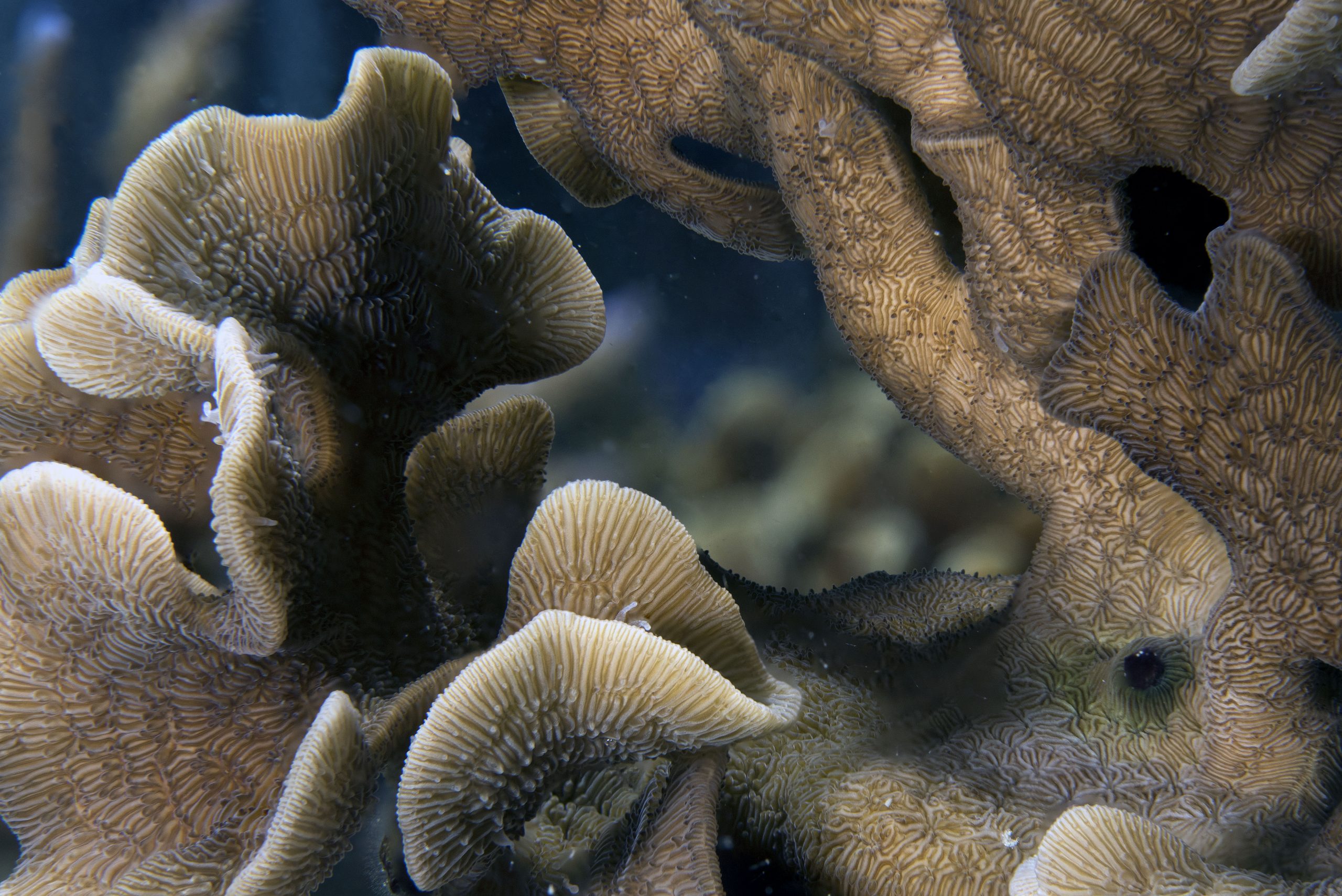
01 Détail corail Turbinaria réniformis bac C8 M.Dagnino
Détail corail Turbinaria réniformis

Getting involved yourself

More than a thousand compounds isolated from marine organisms have been shown to have antiviral effects, and a recent study found that griffithsin, a protein isolated from thered alga of the genus Griffithsia sp.… could be an inhibitor of certain coronaviruses by inhibiting their spike proteins, which give them their crown-like appearance, thus preventing their entry into host cells.

From the haemoglobin of a marine worm, the arenicola, which lives in the sand, the biotechnology company Hemarina has developed a “molecular respirator”, a molecule of marine origin which has the property of storing and transporting oxygen better than human haemoglobin (it binds 40 times more!). This molecule should enter a test phase on patients suffering from the coronavirus with the aim of treating respiratory distress syndrome linked to Covid-19, thus freeing up artificial respirators for other patients and relieving hospital services. This molecular respirator could find other applications in very specific cases, such as the transport of organs before transplantation.

The Marseille-based company Coral Biome is interested in palytoxin (produced by soft corals of the genus Palythoa, order Zoantharia), a highly toxic molecule used in the treatment of certain cancers.

Numerous compounds, currently in clinical development for anticancer activities, have been isolated from the colonial ascidians Didemnum molle, common sessile marine invertebrates (characterized by their attachment to a support) living within the coral reef.

Approximately 1,000 times more effective than morphine, an analgesic synthesized by copying a molecule present in the venom of the Conus magus cone (a marine gastropod mollusc) is particularly indicated for alleviating intense chronic pain.

The Ocean is thus a huge library as well as a pharmacy. It is essential to recognise and value these functions, and to avoid seeing them evaporate as a result of climate change, overexploitation of species and the degradation of marine ecosystems, driven by an overly short-sighted view focused on the profits of fishing, hydrocarbons and soon mineral resources.

Read more

Discover the Institute’s Fact Sheet written by our experts on this topic:

Marine organisms as models for science...

The ocean offers valuable models for fundamental research and many studies have led to decisive advances in physiology, medicine and chemistry. No less than thirteen Nobel Prizes in medicine or chemistry have been awarded for work based on aquatic organisms: fish, cnidarians such as the jellyfish Aequorea victoria or the siphonophore Physalia physalis, molluscs (bivalves, cephalopods, sea slugs), crustaceans (crabs), echinoderms (sea urchins, starfish), even protozoa…

It was through his work on the intestines of anemones or on a starfish that Ilya Ilyich Mechnikov discovered phagocytes and phagocytosis (the process by which a cell engulfs and then digests a foreign substance) in 1883. He shared the 1908 Nobel Prize in Physiology and Medicine with Paul Ehrlich and has since been considered the father of cellular immunity.

By measuring the changes in electrical charges and the way nerve impulses are exchanged between cells in a very large nerve fibre of a species of squidJohn Carew Eccles, Alan Lloyd Hodgkin and Andrew Fielding Huxley were pioneers in the study of nerve impulse transmission and were jointly awarded the 1963 Nobel Prize in Physiology or Medicine.

Read more

Discover the Institute’s Fact Sheet written by our experts on this topic:

Anéméone tomate
Tomato Anemone
Sphaerechinus granularis
The sea urchin Sphaerechnis granularis
Hipppocampe moucheté Hippocampus ramulosus
L’hippocampe intéresse les chercheurs car l’expression des gènes du développement fœtal pendant la grossesse (du mâle) ressemble fortement à celle des gènes humains.

AND THE SOURCE OF MANY NOBEL PRIZES

The sea urchin served as a model for Otto von Warburg’s discovery of anti-polyspermia calcium waves (only one sperm per oocyte). For Eric Kandel and his work on the molecular basis of memory, it was a sea slug.

While studying the cell cycle of sea urchin eggs, Sir Tim Hunt discovered cyclins and demonstrated that these proteins, which break down during the different phases of the cell cycle, play a crucial role in its regulation, not only in echinoderms, but also in vertebrates. This research later had important implications for the study of key molecules involved in cancer development (cyclin and kinase) and earned Timothy Hunt, Leland Hartwell and Paul M. Nurse the 2001 Nobel Prize in Physiology and Medicine.

The 2008 Nobel Prize in Chemistry was awarded to Osamu Shimomura, Martin Chalfie and Roger Tsien for the discovery of electroluminescent organs in the jellyfish Aequorea victoria of a green fluorescent protein (GFP) that glows intensely under ultraviolet light. This protein truly revolutionized the life sciences by making it possible to track, among other things, how cancerous tumors form new blood vessels, how Alzheimer’s disease kills brain neurons, and how HIV-infected cells produce new viruses.
This protein, synthesized since 1994, is used in medical research. Scientists are now able to modify the gene that controls GFP production to give different stainings that allow us to study proteins in their natural environment and understand certain processes to improve our knowledge of the complex network that is the human brain.

Aequorein, another protein extracted from the jellyfish Aequorea victoria, is used to measure calcium in muscle tissue at the level of nerve endings.

Read more

Getting involved yourself

Travaux à bord de la Seconde Princesse Alice
Work on board the Second Princess Alice

In the summer of 1901, Prince Albert Ier led his annual Atlantic expedition from the Cape Verde Islands to the Azores. During previous campaigns, with Dr. Jules Richard, his close collaborator, he had had the opportunity to observe that the sailors manifested an extremely sharp pain, which could go as far as syncope, on contact with a kind of jellyfish, a pelagic cnidarian called physalia Physalia physalis. He thought that a venom was probably involved.
Travaux à bord de la Seconde Princesse Alice
Work on board the Second Princess Alice
le Prince Albert Ier
Prince Albert I

Charles Richet, Professor at the Faculty of Medicine of Paris, and Paul Portier, assistant of physiology at the Sorbonne, were invited to join the expedition in order to isolate this venom and study this phenomenon. The work carried out on board the second Princesse-Alice with the physalie, then on their return to Paris, in particular with the anemones Actinia equina and Anemonia ceraeThe first phase of the study, which was carried out in the United States, consisted of injecting cnidarian extracts into guinea pigs (dogs and pigeons) with a sufficiently long interval between each injection and using low doses of toxins.

le Prince Albert Ier
Prince Albert I
02_Tableau-Le-laboratoire_ Louis-Tinayre_1908_ M_Dagnino
Prince Albert I

Instead of being immune, the guinea pigs became increasingly sensitive, even dying.  Richet and Portier published the discovery of anaphylaxis in 1902 and defined it as : ” We call anaphylactic, as opposed to phylactic, the property of a venom to diminish rather than enhance immunity when injected in non-lethal doses».  This discovery laid the first foundations of allergology (all the knowledge relating to the reactions caused in the body by the introduction of a foreign substance called an antigen) and earned Charles Richet the 1913 Nobel Prize for Physiology and Medicine.

Link to the Nobel Prize :
https://www.nobelprize.org/prizes/medicine/1913/richet/lecture/

Timbre 1901 Decouverte de l'anaphylaxie
Work on board the Second Princess Alice
Portrait du Dr Richet

Experimenting with extracts from the tentacles of certain sea anemones, Richet and Portier found that dogs injected with the extract became overly sensitive to the action of a second dose. These dogs could be killed by an amount that was only a fraction of the fatal dose for an untreated dog. They called this state of abnormal sensitivity of the subject to the action of certain substances Anaphylaxis. ...] There was at first much surprise and disbelief, for scholars had hitherto been accustomed to regard the immunization or sensitivity-decreasing reaction as the appropriate response of an organism to the injection of foreign substances. It was therefore surprising that the exact opposite phenomenon could occur. Thus the laws of immunity were completely overturned.

Biomimicry and bio-inspiration

Biomimicry and “bio-inspiration” (some researchers consider that we do not copy nature but are inspired by it) are approaches that consist in studying nature in its innumerable forms (animals, plants, fungi, micro-organisms, ecosystems). They offer the possibility of changing the way we grow or raise organisms, make materials, store information, heal ourselves or produce energy. Coral reefs, because they are extremely productive communities, rich in biodiversity and the territory of expression of a multitude of chemical mediators, constitute a precious source of inspiration in terms of health, for our contemporary cities in search of effective and sustainable solutions.

Nautile
The nautilus, a source of inspiration not only for Jules Verne! (c) Universcience

See also

Robust to the point of immortality

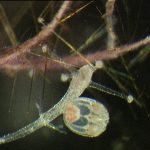
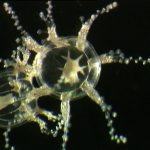
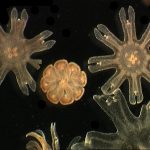
Reproduction in jellyfish, the beginning of sexual reproduction

Jellyfish represent the first manifestation of sexuality in multicellular animals; there are male and female jellyfish, their gonads (sexual organs) produce sperm and eggs. The early stages of development are identical regardless of the type of jellyfish.

A little vocabulary

The fixed stage is called hydrarium,

some jellyfish have only a fixed stage.

The free stage is called jellyfish,

which creates confusion with the jellyfish animal.

SEXUAL REPRODUCTION

Most of the time, the reproductive cells are discharged directly into the sea where fertilization takes place.

But in some species of jellyfish, fertilization is internal, which means that sperm released into the sea is ingested by the females and goes to join the eggs to fertilize them. The egg is then evacuated through the mouth, as in Pelagia noctiluca.

Some species are hermaphroditic and emit male and female sex cells, as in Chrysaora hysoscella, a very large jellyfish from the Atlantic coast.

After fertilization, the egg evolves within a few hours into a ciliated larva called a planula.

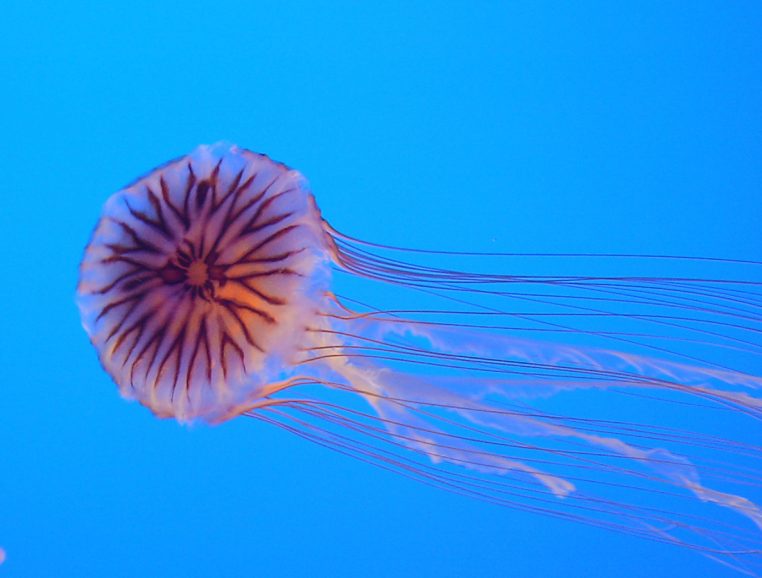
Chrysaora hysoscellafrom Enoshima Aquarium
Chrysaora hysoscella, ray jellyfish or compass jellyfish © Enoshima Aquarium, Japan.
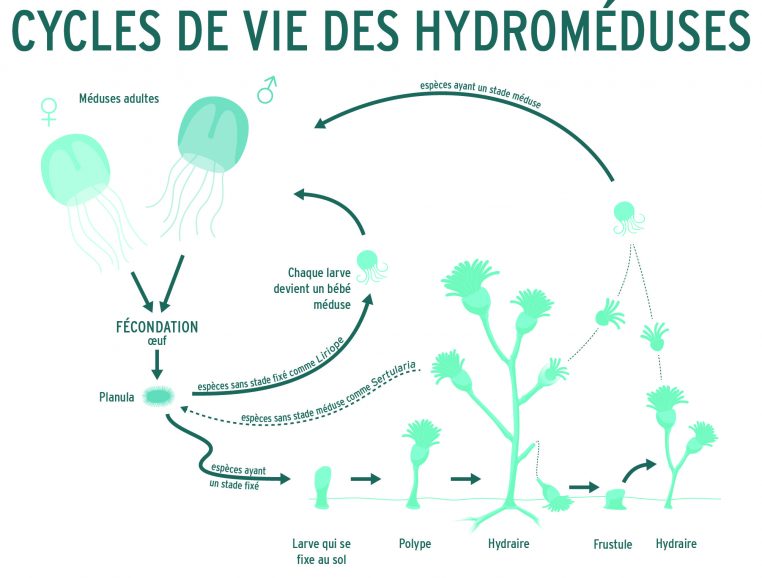
Cycle de reproduction - hydroméduse
Reproduction cycles of hydromedusae © Caroline Pascal - Institut océanographique

BOURGEONNEMENT FOR HYDROMEDUSES

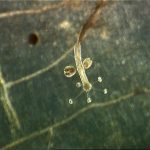
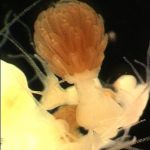
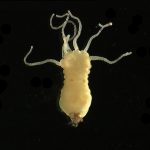
Generally in Hydromedus, the planula falls to the bottom, settles there and is transformed into a small polyp with stinging tentacles and a single central orifice, which is both mouth and anus.

This polyp will immediately produce buds by asexual multiplication, each bud releasing a medusa.

Some buds may break off and produce a new colony.

There are always exceptions with species that do not have a fixed stage like Liriope or species that do not have a free stage (medusa stage) like Sertularia.

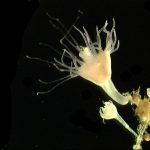
Life cycle of the hydromedusa Cladonema radiatum: polyp and buds, young jellyfish.
© Microaquarium – Institut océanographique

STROBILATION FOR SCYPHOMEDUS

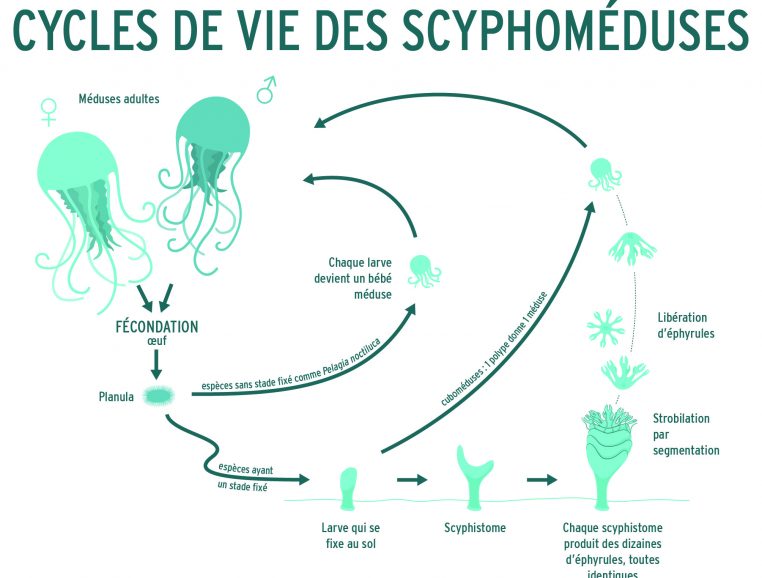
In the Scyphomedus, the planula also falls to the bottom, settles there and becomes a polyp of another form, called a scyphistome, which can also bud and form a small colony, but most of the time these forms are solitary.

Furrows appear on the upper part of the scyphistome forming a pile of plates, this is strobilation. The first segment is released by violent contractions and so on, and these small jellyfish called ephyrules, grow and become adult sexed jellyfish.

In cubomedus, the spermatozoa, grouped in a pouch, the spermatophore, are deposited by the male’s mouth on a tentacle of the female, which collects them through its own mouth. Fertilization takes place in the stomach pouches. The polyp resulting from the planula has tentacles with swollen ends (capes), it crawls on the bottom before fixing itself, then metamorphoses completely to give a single medusa.

Life cycle of the scyphomedusa Aurelia aurita: polyps, scyphistome, strobilus, ephyrules.
Microaquarium – Oceanographic Institute

Cycle de reproduction - scyphoméduse
Scyphomedus reproductive cycles © Caroline Pascal - Institut océanographique
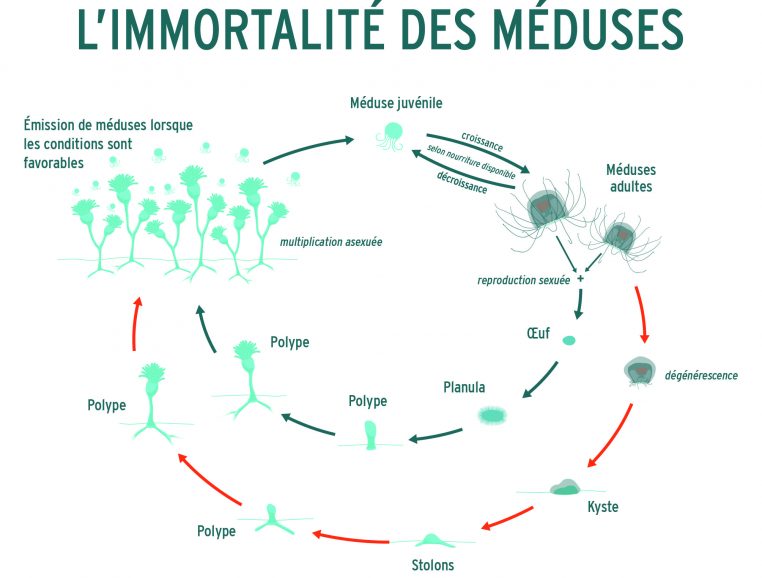
Immortalité des méduses
The immortality of jellyfish © Caroline Pascal - Oceanographic Institute

to rejuvenate or to become immortal

When food becomes scarce, jellyfish are able to shrink, reducing their size dramatically and even consuming their newly produced gonads. They thus become juveniles again.

But for some species, such as Turritopsis nutricula, the dying jellyfish may degenerate into a cyst that will develop back into a polyp. This is why it has been called the “immortal jellyfish” since a German student observed this process in 1988.

Instead of dying, the jellyfish falls to the ground, where its body folds in on itself. The umbrella reabsorbs the tentacles and degenerates into a gelatinous blob. After several days, it forms an outer shell, a cyst. When conditions become favourable again, the stolons, which look like roots, grow until they form a new polyp that will produce new jellyfish.

However, this process is not specific to Turritopsis and some other researchers have observed it in other species when rearing conditions deteriorate. This discovery has so far only been made in the laboratory.

Jellyfish in video

See also

How are bluefin tuna stocks managed?

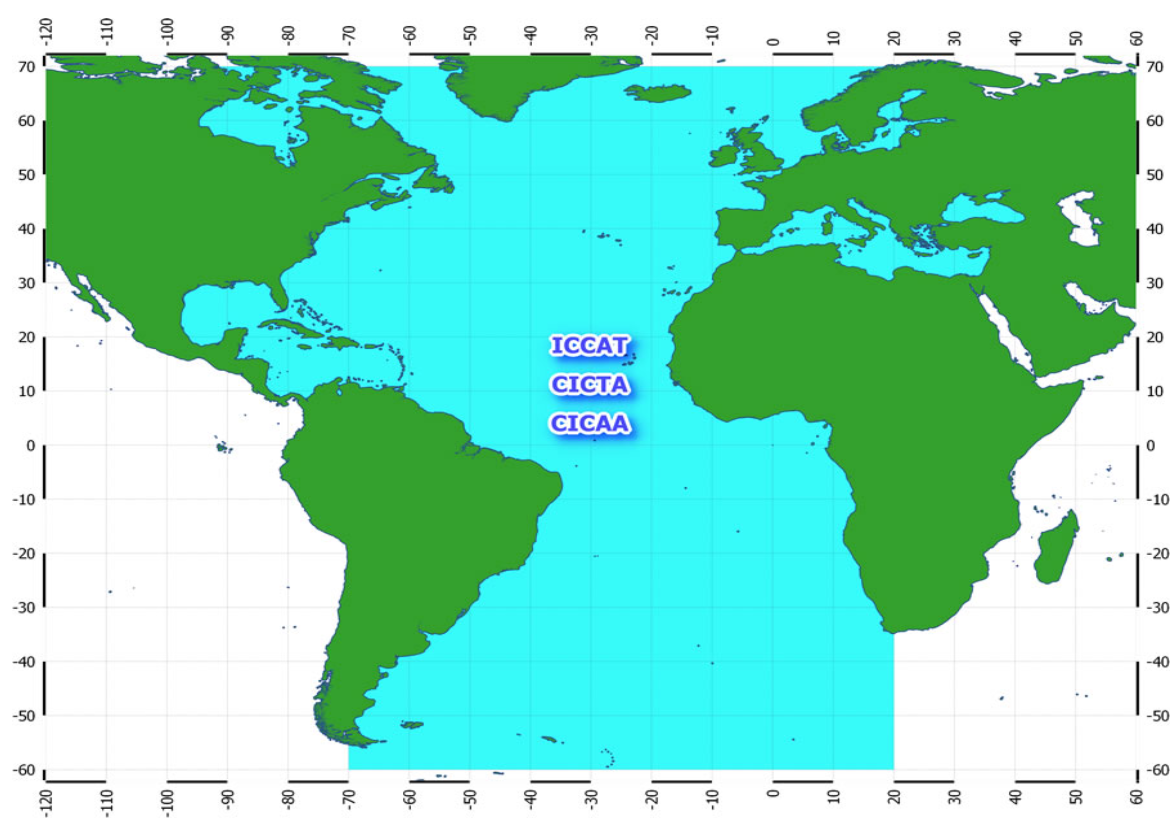
Zone Géo CICTA
The huge geographical area managed by ICCAT.

THE ROLE OF ICCAT

In the Atlantic Ocean and adjacent seas (including the Mediterranean), it is the International Commission for the Conservation of Atlantic Tunas (ICCAT) which is responsible for the conservation and sustainable exploitation of all species of tuna and other pelagic commercial species living in the area (swordfish, billfish, sharks). Based on scientific evidence, this
regional fisheries management organisation (RFMO)
diagnoses the state of populations, produces recommendations so that signatory countries can negotiate binding agreements, define fishing quotas (the famous “TAC”, for “Total Allowable Catch”) and adopt measures to limit by-catch. For Atlantic bluefin tuna, ICCAT considers two distinct management entities, the ” Eastern Atlantic and Mediterranean ” (which accounts for more than 90% of the total Atlantic bluefin tuna catch and population) and the ” Western Atlantic “.

Other tuna managed by ICCAT

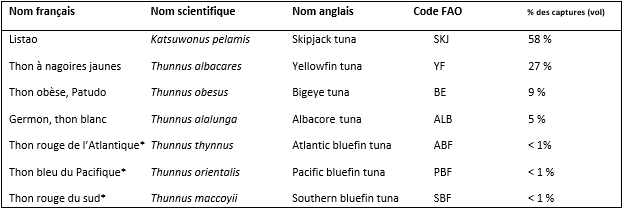
In the ICCAT-managed area, the tuna that live alongside Atlantic bluefin tuna are bigeye tuna(Thunnus obesus)(Bigeye tuna), yellowfin tuna (T. albacares)(Yellowfin tuna), albacore(Thunnus alalunga)(Albacore) and skipjack tuna(Katsuwonus pelamis)(Skipjack tuna).

Peche Thon Bateau
Les thons congelés (listao) de ce grand thonnier senneur rejoindront une usine d’emboitage (conserverie) au Cabo Verde (© Pierre Gilles, Explorations de Monaco).

What is the economic importance of tuna?

The name “tuna” covers 14 species belonging to 4 different genera(Auxis, Katsuwonus, Euthynnus, Thunnus), which are found in almost all the seas of the world. This large family of fish is of major economic importance in a fully globalised economy.

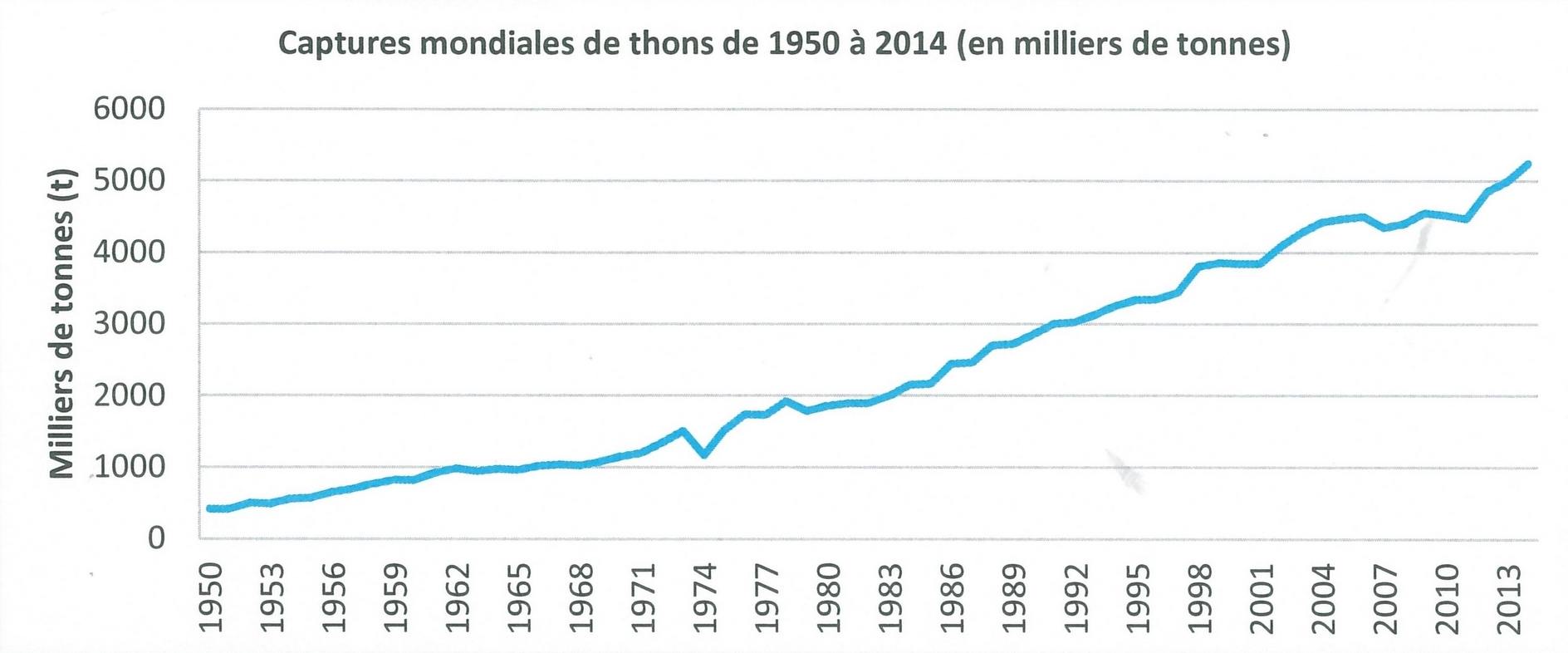
Graphique évolution des captures de thons

a growing global catch

In 65 years, the world’s tuna catch has increased by 1, %, from 500,000 to 5 million tonnes, and demand could reach nearly 8 million tonnes by 2025! In terms of export value of seafood products, tuna is in4th place, behind shrimp, salmon and white fish.

At the end of the chain, the value at sale is estimated at 33 billion dollars (i.e. 24% of the world seafood industry). The average per capita consumption of tuna in 2007 (worldwide) is about 0.45 kg per year. In the European Union, more than 2 kg of canned tuna per capita was consumed in 2012!

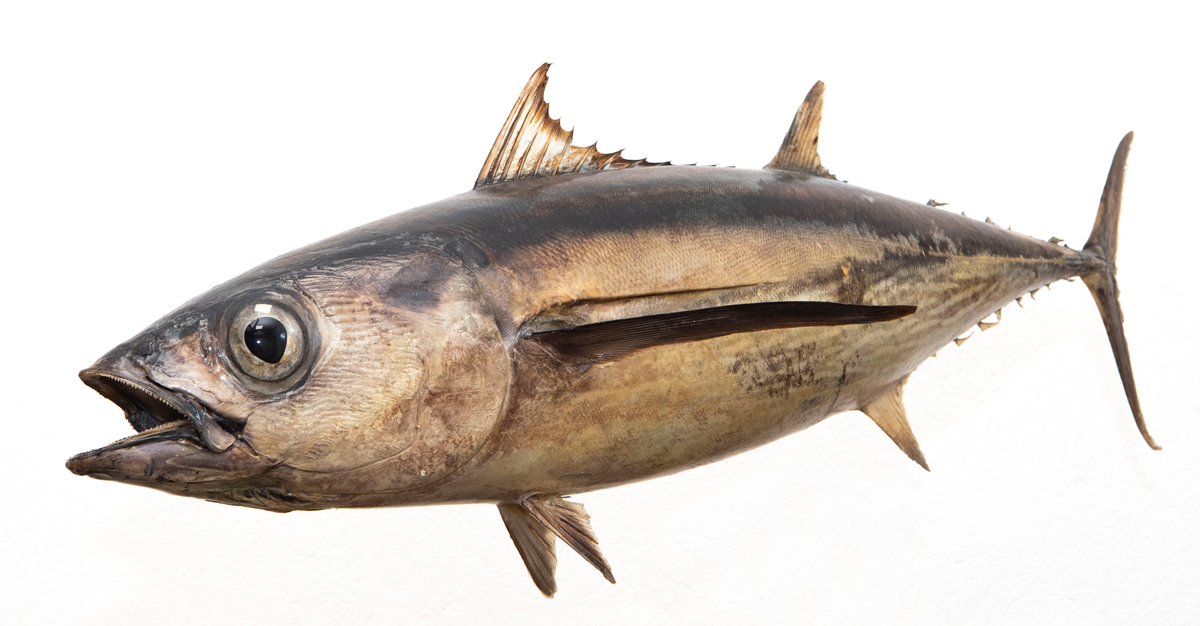
Thon blanc, aussi appelé germon, Thunnus alalunga, naturalisé. Collections de l’Institut océanographique © Michel Dagnino
Thon blanc, aussi appelé germon, Thunnus alalunga, naturalisé.

Albacore tuna, also called albacore, Thunnus alalunga, naturalized.

Of the 14 tuna species, 7 are of major commercial importance.

3 species* (Atlantic bluefin tuna, Pacific bluefin tuna, Southern bluefin tuna) represent only 1% of the volume of catches.

Importance Commerciale Thon Rouge